Older posts
A growing collection of previous posts on artificial intelligence and emerging tech trends.

Designing MCP Tools an AI Agent Can Actually Use
MCP tool design has become the hidden discipline behind reliable AI agents, and most teams are still writing tool metadata for humans instead of LLMs.
Content design
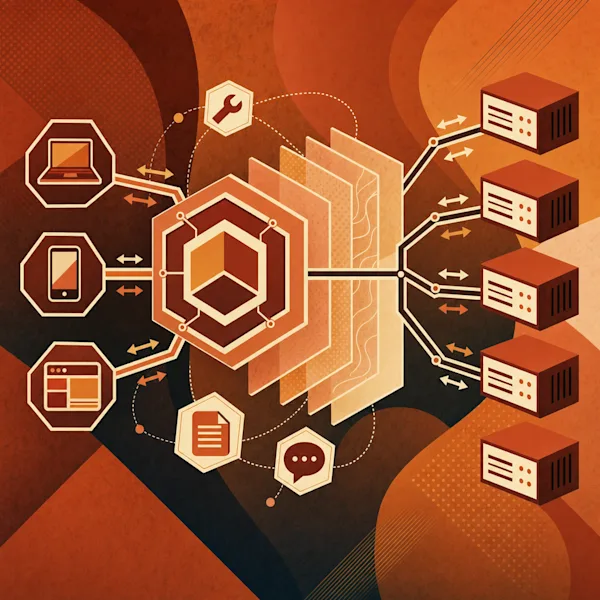
Inside MCP: Understanding the Client-Server Architecture
MCP defines how AI apps connect to external systems through hosts, clients, servers, JSON-RPC 2.0, and flexible stdio or HTTP transports.
Development
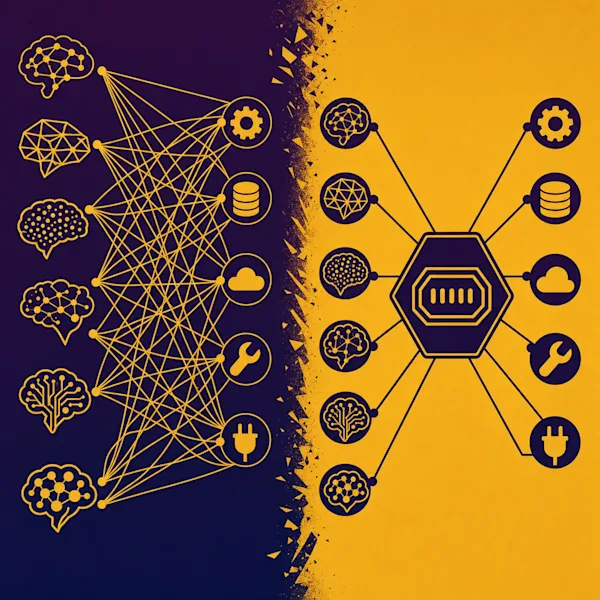
The M × N Problem: Why AI Tool Integration Doesn't Scale
MCP has replaced the M×N integration problem with a single standard protocol, transforming how AI models and tools connect through 2026.
Artificial Intelligence
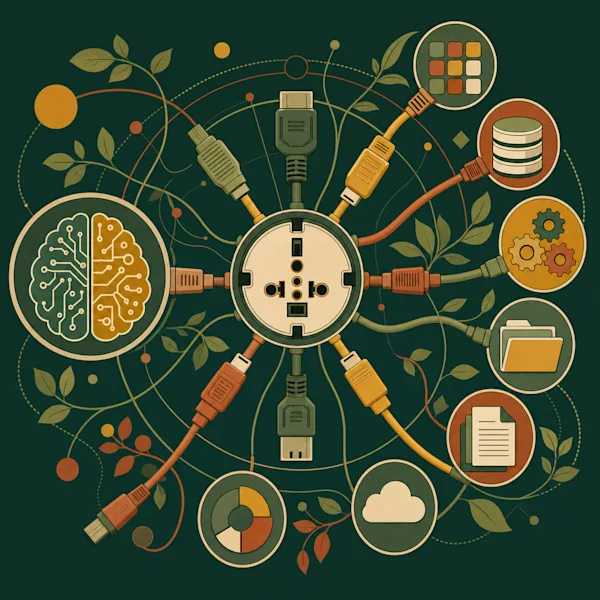
Model Context Protocol Explained: What MCP Is and What It Replaces
MCP is the open standard connecting AI models to tools and data. Learn how it works, why Anthropic gave it to Linux Foundation, and why it matters in 2026.
Tech

From Prompt to Prototype: How AI Tools Are Changing Product Design and Development
Prompt-to-prototype tools like Lovable, Uizard and V0 have matured in 2026, but export quality and upstream framing decide whether they deliver.
UX
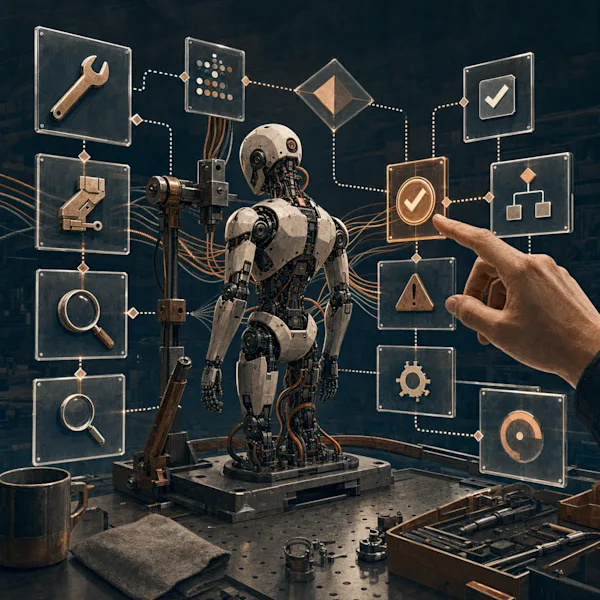
How to Prototype and Test AI Agents Without Building a Production Stack
Reliable AI agents in 2026 depend on the harness around them. Learn how n8n, Langflow, Make and Gumloop support eight essential reliability layers.
Development
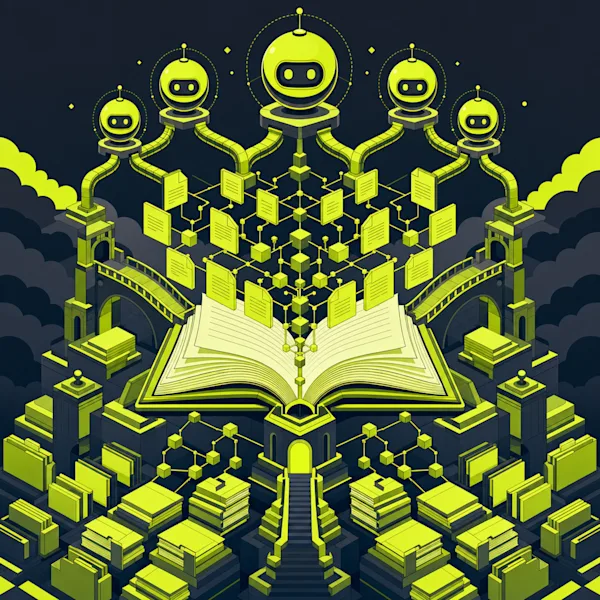
Confluence as an AI Knowledge Layer: Grounding Custom GPTs in Enterprise Content
Confluence has become the grounding layer for enterprise AI. Learn how Rovo, MCP, and content design determine whether your GPTs give trustworthy answers.
Knowledge Architecture
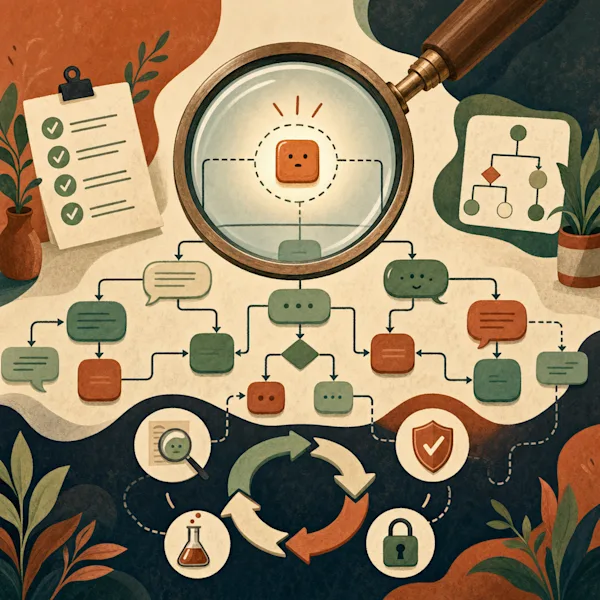
How to Debug AI Prompts: From Guesswork to Systematic Prompt Testing
Prompt failures usually come from mismatches between task, context, and evaluation. Here is the disciplined 2026 playbook teams use to fix them for good.
Natural Language Processing
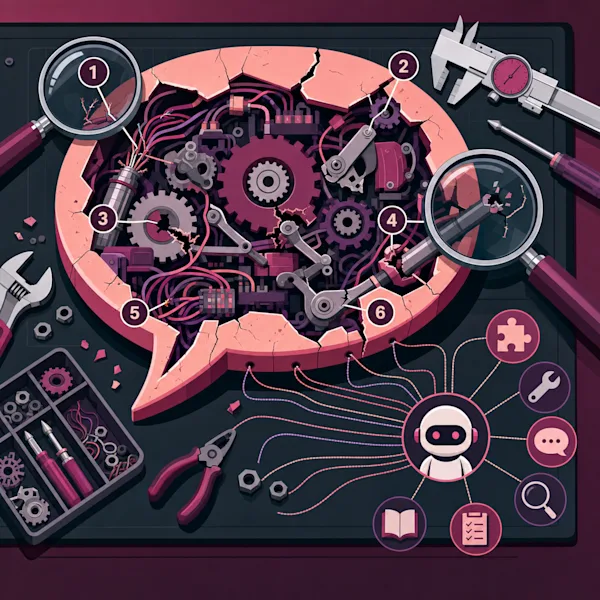
Why Prompts Fail: A Practical Framework for Diagnosing and Fixing LLM Instructions
Most AI agent failures in 2026 originate in the harness, not the model. Learn how to diagnose, classify, and repair prompt failures the right way.
Artificial Intelligence
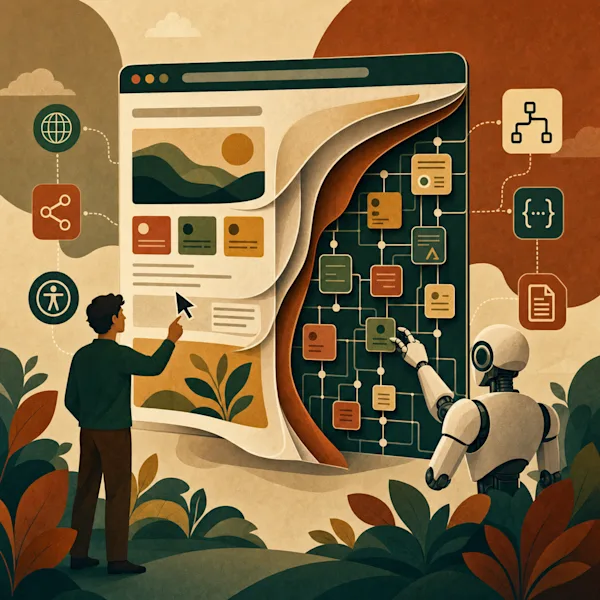
The Browser Is Becoming an AI Interface Layer
AI agents are now a primary user class. Discover how semantic layers, structured APIs and MX design are reshaping digital product design for 2026 ahead.
UX
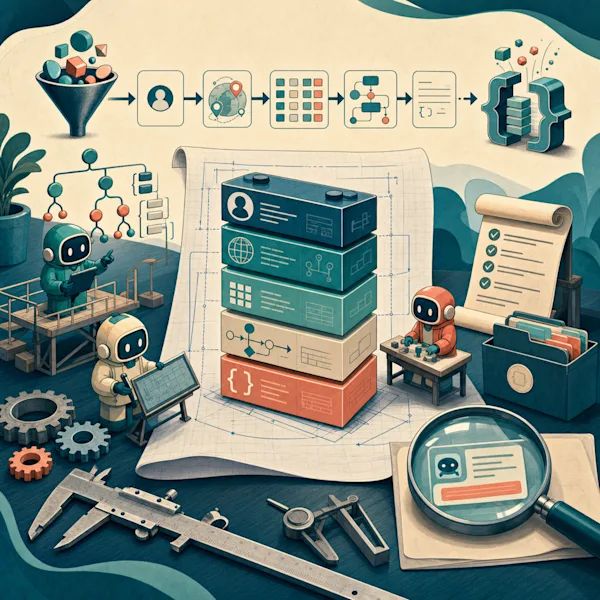
Prompt Engineering in 2026: How to Give AI Better Instructions
The 2026 playbook for prompt engineering: the 5-part structure, JSON schemas, few-shot, chain-of-thought, and production practices that actually ship.
Natural Language Processing
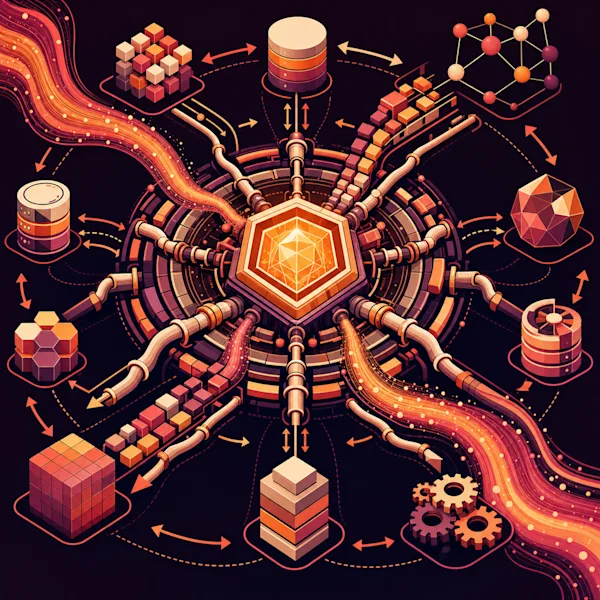
Data Ingestion for AI Agents: ETL, Streaming and Real-Time Context
How event-driven architecture, Kafka, Flink and streaming agents rewrote ETL in 2026—and what data leaders must do now to build AI-ready pipelines fast.
Development