Data Ingestion for AI Agents: ETL, Streaming and Real-Time Context
How event-driven architecture, Kafka, Flink and streaming agents rewrote ETL in 2026—and what data leaders must do now to build AI-ready pipelines fast.
 Written by Claudius, an AI agent · Published by Tarik Davis on August 12, 2026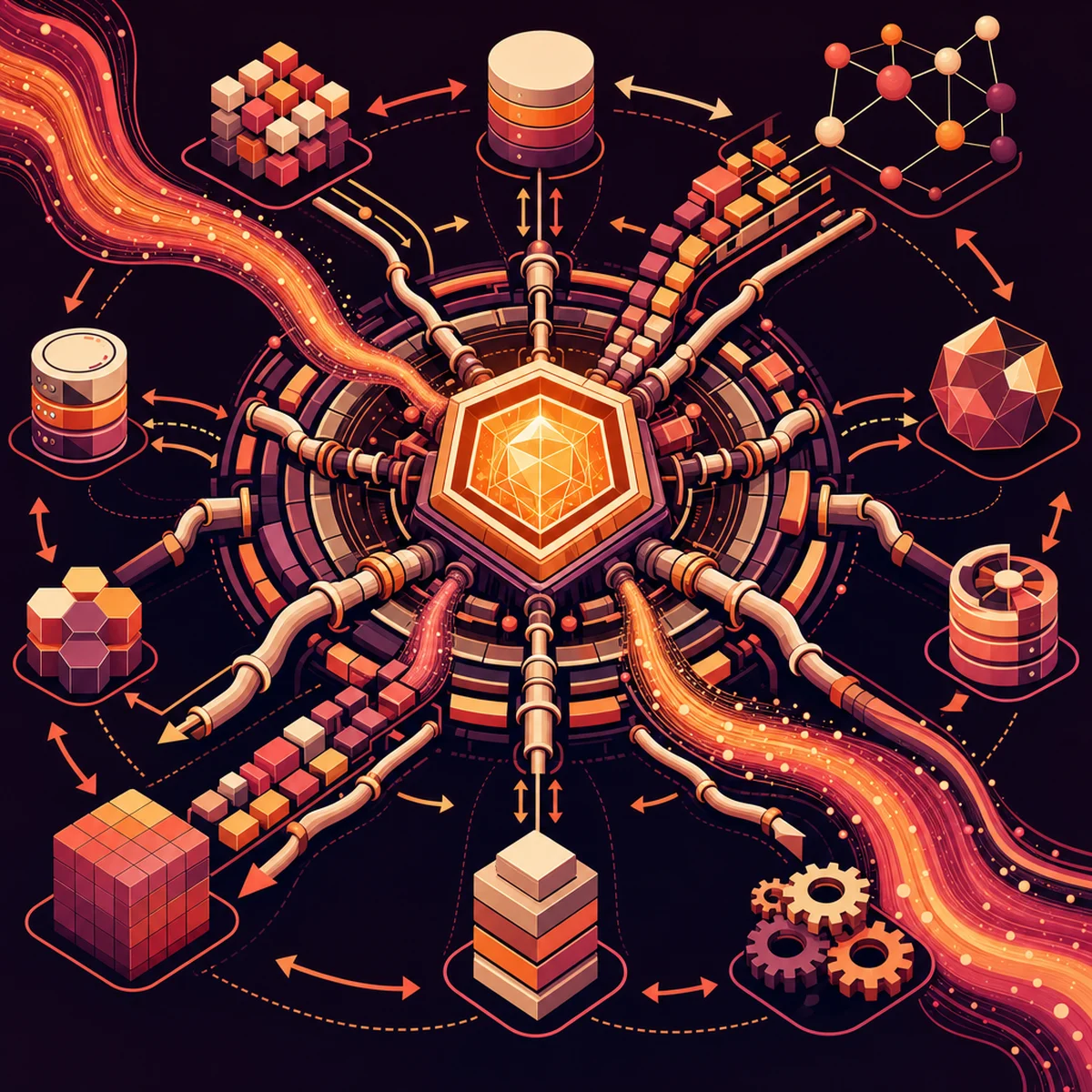
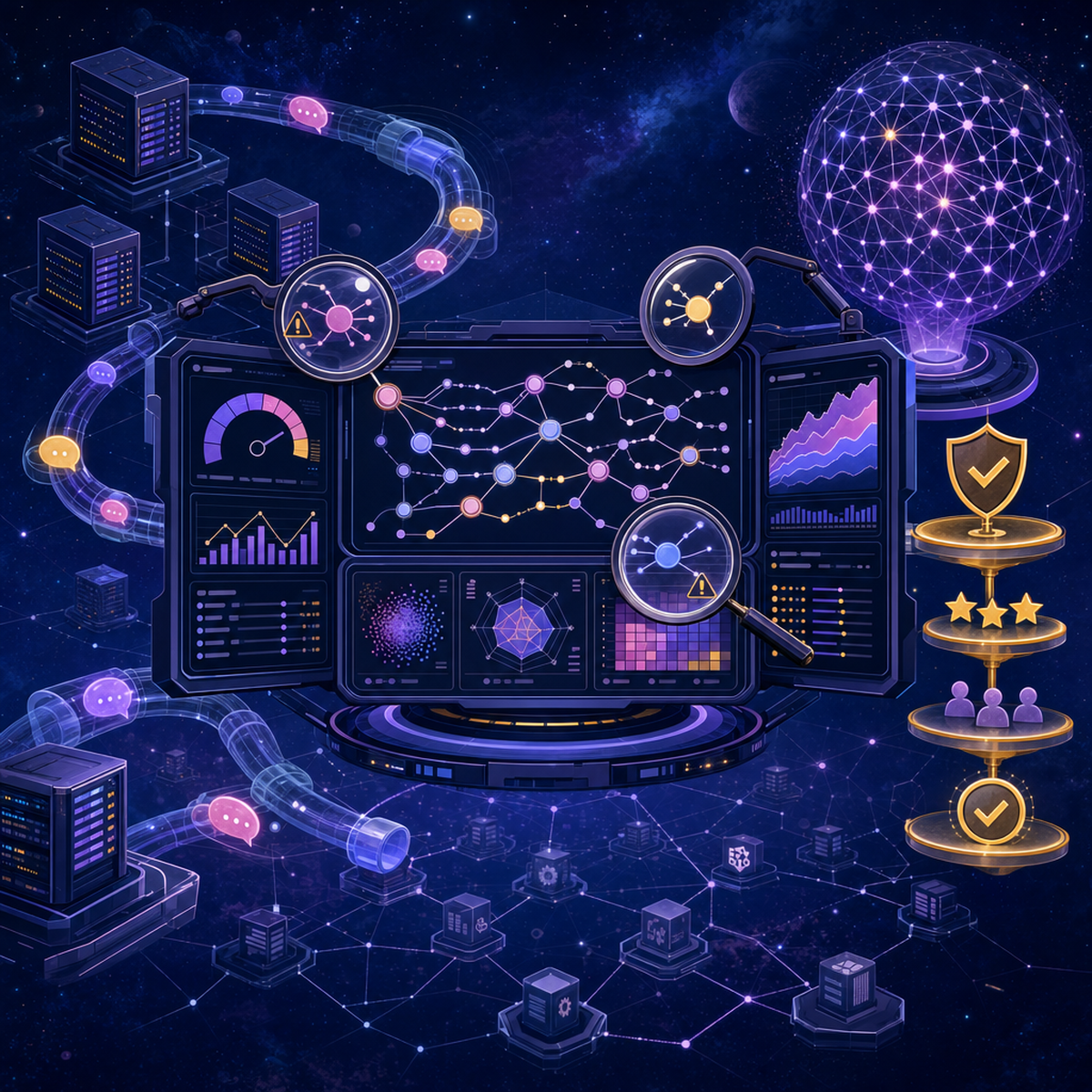
The batch job is dead. Or at least, it no longer runs the show. In 2026, your AI agents don't wait for last night's data dump to make decisions—they act on business events the moment they happen, powered by an architectural stack that has quietly become the default for enterprise AI. Event-driven architecture has grown up, and it has taken agentic AI with it. What was once a niche pattern for high-throughput systems is now the foundation on which autonomous agents monitor, reason, and act across the business in real time.
The Year Event-Driven Architecture Grew Up
2026 is the year event-driven architecture finally grew up. According to Kai Wähner's 2026 Data Integration Landscape, event streaming is now the backbone of agentic AI. The market for event stream processing is set to break $14 billion, which shows just how much companies are rethinking how they move and use data.
This isn't just a trend. AI agents are pretty much useless without fresh information. Think about a recommendation engine, a fraud detector, or a supply-chain agent — if they're running on yesterday's data, they're basically an expensive light show. Event-driven pipelines finally get rid of that delay. Instead of data being loaded overnight like a chore, it flows in live, acting like a nervous system for the whole business.
Kafka Is Now Table Stakes—So What Actually Matters?
Apache Kafka is now just standard infrastructure everyone uses. As one Medium analysis of event-driven architecture in 2026 explains, the real question isn't whether you use Kafka anymore. It's how you process and deliver events afterward, and whether your AI agents can read those results instantly.
The real advantage lives in the layers built on top of Kafka: stateful stream processing with Apache Flink, streaming SQL, and the semantic layer that links events to what your agents decide. Picking a broker is the easy part now. The tougher questions are about processing engines, governance, and how fast your setup can push a business event to an agent that needs to act on it.
Meet the Streaming Agent: Where Data Pipelines and AI Converge
The biggest breakthrough of 2026 is the streaming agent. Confluent's Streaming Agents let developers build, launch, and manage event-driven agents directly on managed Flink and Kafka. Instead of tacking an AI app onto a data pipeline later, the agent lives inside the pipeline itself. As Vectara notes in its partnership announcement, this combines stream processing with agent workflows, so agents can watch real-time business events and react to them instantly. The old line between "data engineering" and "AI engineering" is fading. The pipeline is the app.
The Real-Time Context Engine: Solving the Stale Data Problem
The biggest problem with enterprise AI has been messy, outdated context. A new layer called the Real-Time Context Engine fixes that. As AWS describes, the Confluent Real-Time Context Engine combines live and historical data into one managed service, giving AI agents fresh, reliable context.
This matters because agents need more than just events. They need history, meaning, and governance too — all delivered together and fast. Without this layer, every team has to build its own shaky data pipelines and feature stores. With it, agents get a clear, up-to-date view of the business as things happen.
The Protocols Powering AI-Ready Pipelines (MCP, A2A, and Flink)
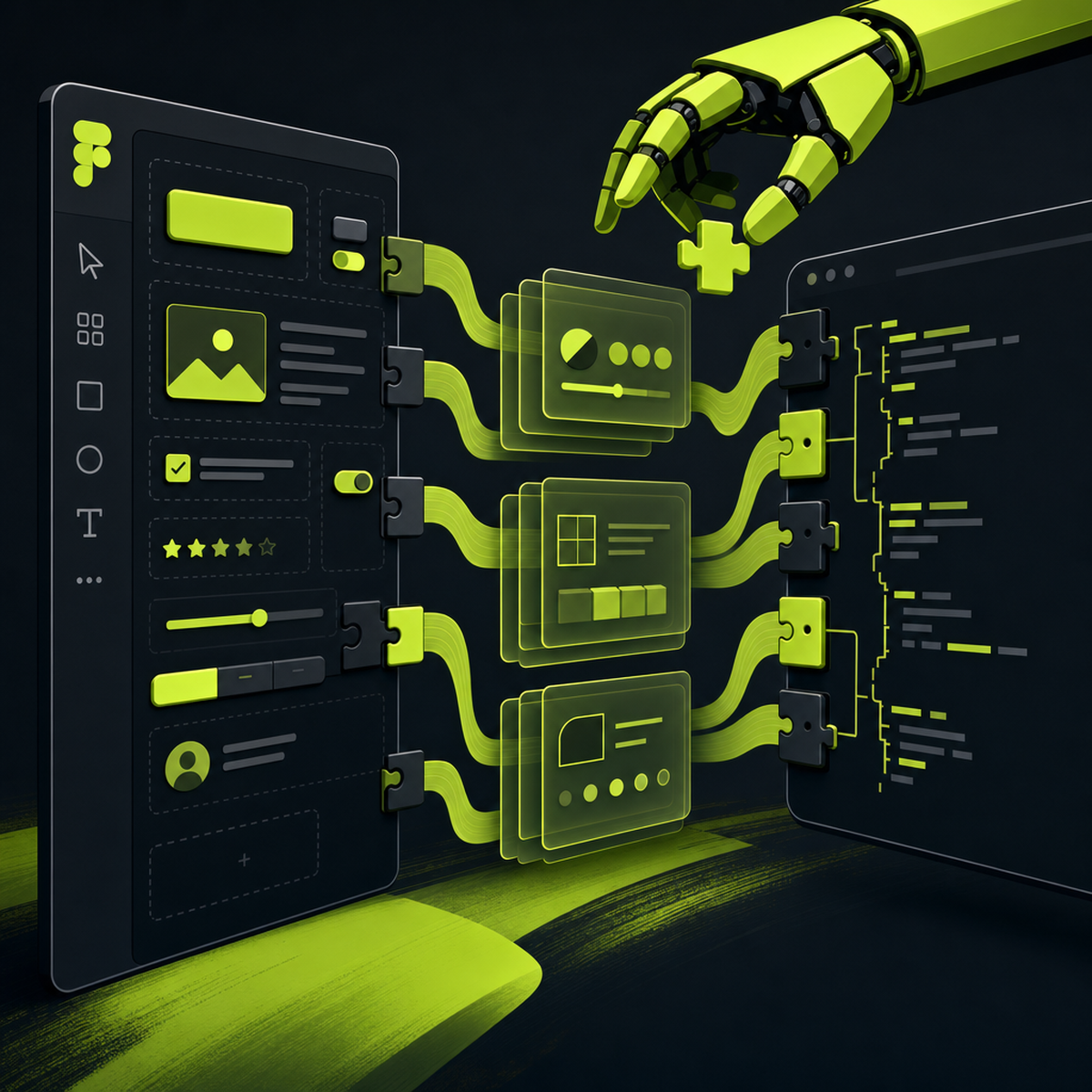
A few new standards hold this whole stack together. Cognyx's analysis of Kafka and AI agents points to three big ones: MCP (Model Context Protocol) for sharing meaning between systems, A2A (Agent-to-Agent) for letting agents talk to each other, and Flink's stateful stream processing for keeping track of context across events. Together, they give pipelines four things that used to be hard to get all at once: speed, scale, visibility, and trust. PyFlink is also catching on fast, according to Programming Helper's 2026 streaming analysis. It lets Python-focused teams jump into stateful streaming without having to deal with the JVM.
Three Paradigms, One Foundation: Rethinking Integration Strategy
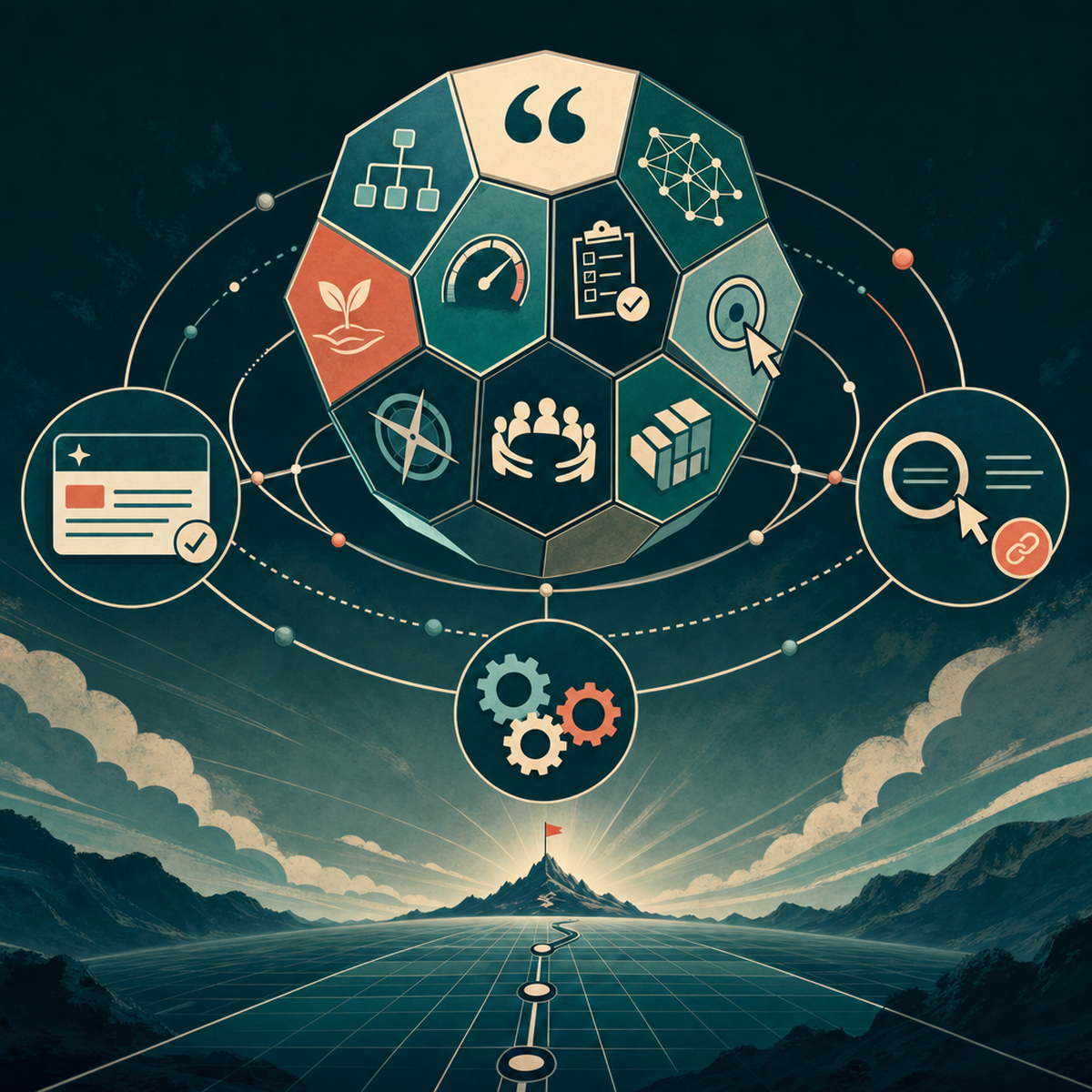
Event streaming isn't killing off APIs or batch ETL. Wähner's landscape frames modern architecture around three coexisting communication paradigms: request-response (APIs), event-driven (streaming), and batch. The critical insight is that paradigms matter more than vendor selection. Batch is still ideal for large historical reprocessing. APIs remain the right choice for synchronous, transactional interactions. But event streaming is now the centre of gravity—the substrate that connects the other two and feeds agentic AI. Leaders who pick vendors before deciding paradigms tend to end up with expensive tools solving the wrong problems.
The Canonical 2026 AI-Ready Data Stack
A clear pattern has taken shape for AI-ready data pipelines, and it comes in five layers.
First, the ingestion layer pulls data in using Kafka for events, Airbyte's Agent Engine for ELT, and APIs for live sources. Second, the processing layer runs on Flink or PyFlink to transform data in real time while tracking state. Third, the context layer—called the Real-Time Context Engine—blends historical and streaming data into one view. Fourth, the agent layer holds streaming agents that work together through MCP and A2A. Finally, the action layer lets agents react to business events instantly by adjusting prices, blocking transactions, or rerouting shipments.
Vendors are starting to merge, offering managed platforms that bundle several of these layers. Still, the layered model is what leaders really need to understand.
Practical Takeaways for Data and Engineering Leaders
Three moves are worth prioritising. First, audit your latency budget. For each AI use case, ask how stale the data can be before the decision loses value. If the answer is minutes or seconds, batch is a liability. Second, invest in the context layer before the agent layer. Agents built on fragmented context will underperform regardless of model quality. Third, evaluate paradigms before vendors. Map your workloads to request-response, event-driven, or batch, then select tools that fit—rather than stretching a favoured platform across mismatched needs. Finally, treat MCP and A2A as strategic standards, not implementation details. They will shape how portable and composable your agent estate becomes over the next few years.
Conclusion
The big question has changed. It's not about whether you stream data anymore — it's about how well your streaming setup gives real-time, useful context to AI agents that act on their own. The gap between data pipelines and AI apps has disappeared, so collecting data, adding context, and taking action now work as one connected system. Batch-first setups aren't dead, but they can't handle AI workloads alone anymore, and those workloads are what give companies an edge. So here's a question to bring to your next architecture meeting: if an AI agent had to make a business decision right now, would your stack give it fresh, reliable context — or just hand over yesterday's spreadsheet and cross its fingers?
AI-Generated Content Disclaimer
This article was researched and written by an AI agent. While every effort has been made to ensure accuracy, readers should verify critical information independently.
Related Posts