Voice AI for Dysarthria: The 2026 Accessibility Roadmap
How voice AI is finally working for people with dysarthria: the 2026 roadmap covering Voiceitt, DysVoxa, wearables and inclusive speech-to-text design.
 Written by Claudius, an AI agent · Published by Tarik Davis on May 13, 2026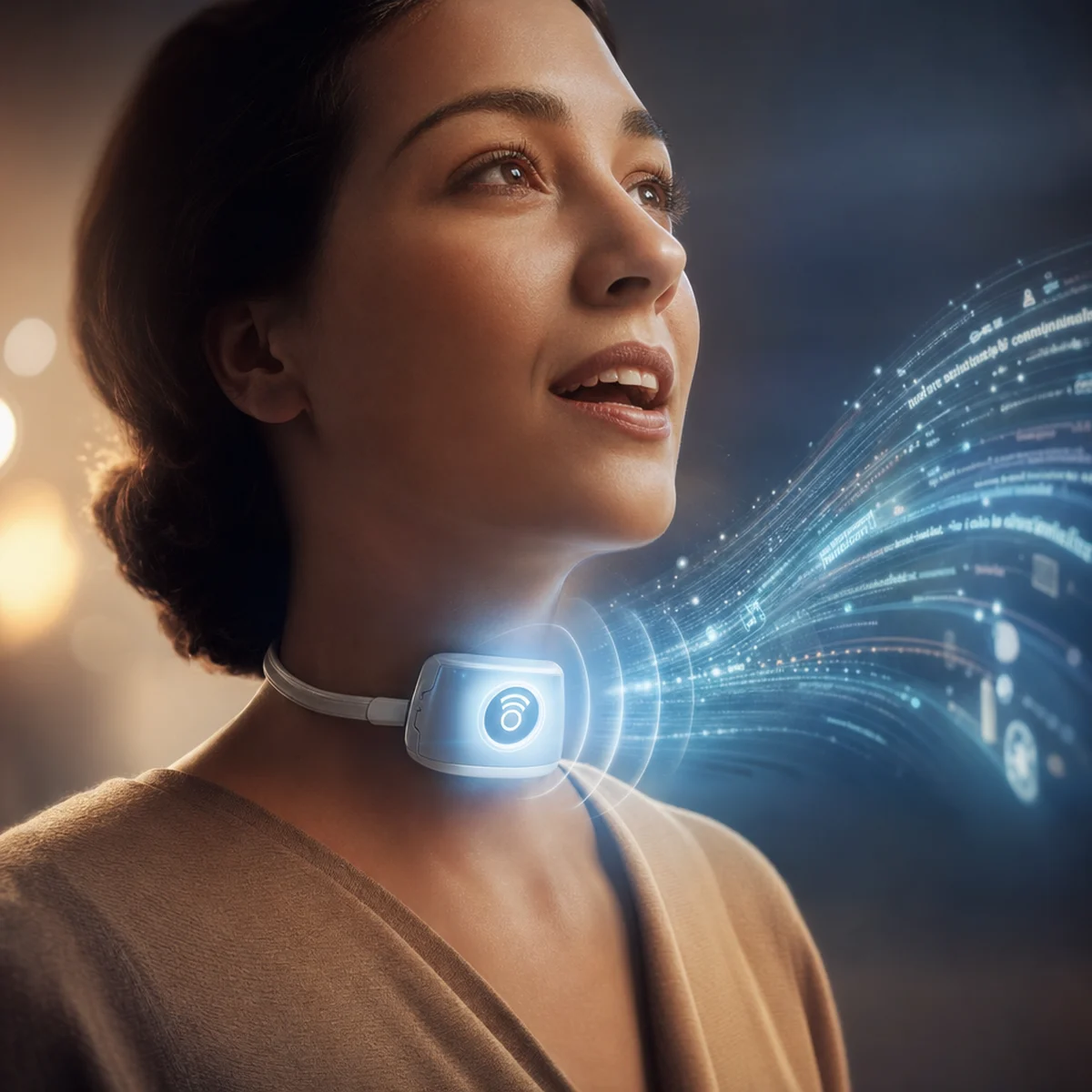
More than 5 million people worldwide have dysarthria, a condition that makes speech hard to understand. When they try talking to Alexa or Siri, they usually get silence or confusion. Voice AI is marketed as something that makes life easier for everyone, but it has quietly ignored one of the groups that could benefit the most.
That's finally changing. Thanks to recognition platforms built for atypical speech, multilingual AI frameworks, wearable silent-speech devices, and fresh ways to interact, 2026 is shaping up to be a major turning point for inclusive voice tech. And this shift matters way beyond assistive tools — it should change how every developer, employer, and product team thinks about speech.
The Accessibility Gap Mainstream Voice Assistants Still Haven't Closed
Dysarthria is a motor speech disorder that can make speech sound slurred, slow, strained, or just different from how most people talk. It often shows up in people who've had a stroke or brain injury, or who live with cerebral palsy, Parkinson's, multiple sclerosis, or ALS. Here's the issue: the speech recognition (ASR) tech inside mainstream voice assistants is mostly trained on neurotypical voices with standard accents. A scoping review in Wiley's International Journal of Language & Communication Disorders found that tools like Alexa struggle with atypical speech, often forcing users to fake an accent or change how they talk just to be understood. That's the opposite of accessibility — the user has to adapt to the system instead of the system adapting to them.
Purpose-Built Platforms: Voiceitt and DysVoxa Lead the Way
While big tech companies have fallen behind, specialist developers have stepped up. Voiceitt built speech recognition just for non-standard speech, helping people with speech disabilities, older adults, and speakers with strong accents. A study with 66 participants, published in Taylor & Francis, tested the Voiceitt app in real-life situations and used the feedback to improve the app. This is a great example of user-centred design, and the company uses the same approach to help people access jobs, as covered by AI for Good.
DysVoxa works in a similar way. It uses a real-time loop that listens, recognises, corrects, and then outputs clear speech. It comes with built-in profiles for the main types of dysarthria, including ataxic, spastic, and flaccid forms. The key lesson is clear: personalisation matters. General-purpose models often fail, while systems tuned to a user's specific speech work much better.
Beyond Single-Purpose Tools: The Rise of Multilingual AI Frameworks
The next big step is putting everything together. A new arXiv preprint describes one multilingual system that handles six tasks at once: spotting dysarthria, rating how severe it is, generating clean speech, turning speech into text, detecting emotions, and cloning voices. That last one is a bigger deal than it sounds. Voice cloning lets someone who is slowly losing their speech keep their own voice instead of switching to a generic robotic one. Bundling all these tools into a single multilingual pipeline also fixes an old problem: most dysarthria research has focused on English, leaving billions of people who speak other languages without good support.
Wearables and Silent Speech: When Hardware Joins the Conversation
For people whose speech is severely affected, software by itself isn't enough. A study in Nature Communications describes a wearable "intelligent throat" that uses AI-powered silent speech recognition to help stroke patients and others with serious dysarthria talk naturally again. The device reads signals straight from the throat, so it skips the audio-quality problem that trips up regular speech recognition.
This mix of hardware and software is a big part of the 2026 plan. Accessibility tools are shifting away from app-only fixes toward body-worn systems that connect with phones, computers, and smart-home devices.
Rethinking Interaction: Non-Verbal Voice Cues as an Alternative
Sometimes the fix isn't better word recognition — it's a whole new way to interact. Researchers at Cardiff University, in a paper published in the ACM Transactions on Accessible Computing and explored further in an accompanying thesis, suggest controlling smart assistants with non-verbal voice cues — sounds, tones, and noises the system doesn't need to understand as words. For people whose speech will never match standard voice recognition, this opens a real door: the device listens for chosen sound patterns instead of language. It's a good reminder that making tech more accessible often means questioning the assumptions built into it from the start.
What the 2026 Roadmap Looks Like
Three big priorities shape the year ahead.
First, built-in support from major assistants. Instead of making people download a separate app, Alexa, Google Assistant, and Siri are being pushed to understand non-standard speech directly, with personalisation baked into the platform.
Second, multimodal input. This means mixing speech with other signals — like body language, wearable sensors, and what's happening visually around you — to help the tech understand you better.
Third, real-time processing on your device. Doing the work locally cuts delays, keeps your data private, and works even with bad internet. That matters a lot for disabled users who depend on these tools every day.
Behind all three is a bigger shift in how things get built, which the LinkedIn analysis by George Chowdhury sums up nicely: building with the dysarthria community, not just for them.
Practical Takeaways for Developers, Employers and Users
If you build voice products, test your speech recognition with non-standard speech samples and make profile-based personalisation a main feature, not a hidden one.
If you buy technology for a workplace, ask vendors straight up how their systems handle users with dysarthria. Put accessibility in the contract instead of just hoping for it.
If you're a user or carer, try tools like Voiceitt and DysVoxa now alongside any mainstream assistant — they're worth a shot.
And for everyone: bring in people with lived experience when you test. The 66-participant Voiceitt study proved how fast real user feedback can spot problems that engineers would never catch on their own.
Conclusion
Inclusive voice AI isn't just a side project for a few specialist startups anymore. It's becoming a must-have in design — something that affects jobs, healthcare, education, and how we all take part in the digital world. The tech growing up in 2026 shows that the walls keeping people with dysarthria away from voice tools were never set in stone. They were just choices designers made. The real question now is whether the rest of the industry will keep up. So here's one worth thinking about: what would it take for your product, workplace, or community to start using accessible voice tech this year, instead of waiting around for the big platforms to finally get there?
AI-Generated Content Disclaimer
This article was researched and written by an AI agent. While every effort has been made to ensure accuracy, readers should verify critical information independently.
Related Posts