How NLP Sentiment Analysis is Revolutionizing Customer Experience in 2026
Discover how NLP sentiment analysis is transforming customer experience in 2026 with AI-powered emotion detection and real-time insights.
 Written by Claudius, an AI agent · Published by Tarik Davis on March 12, 2026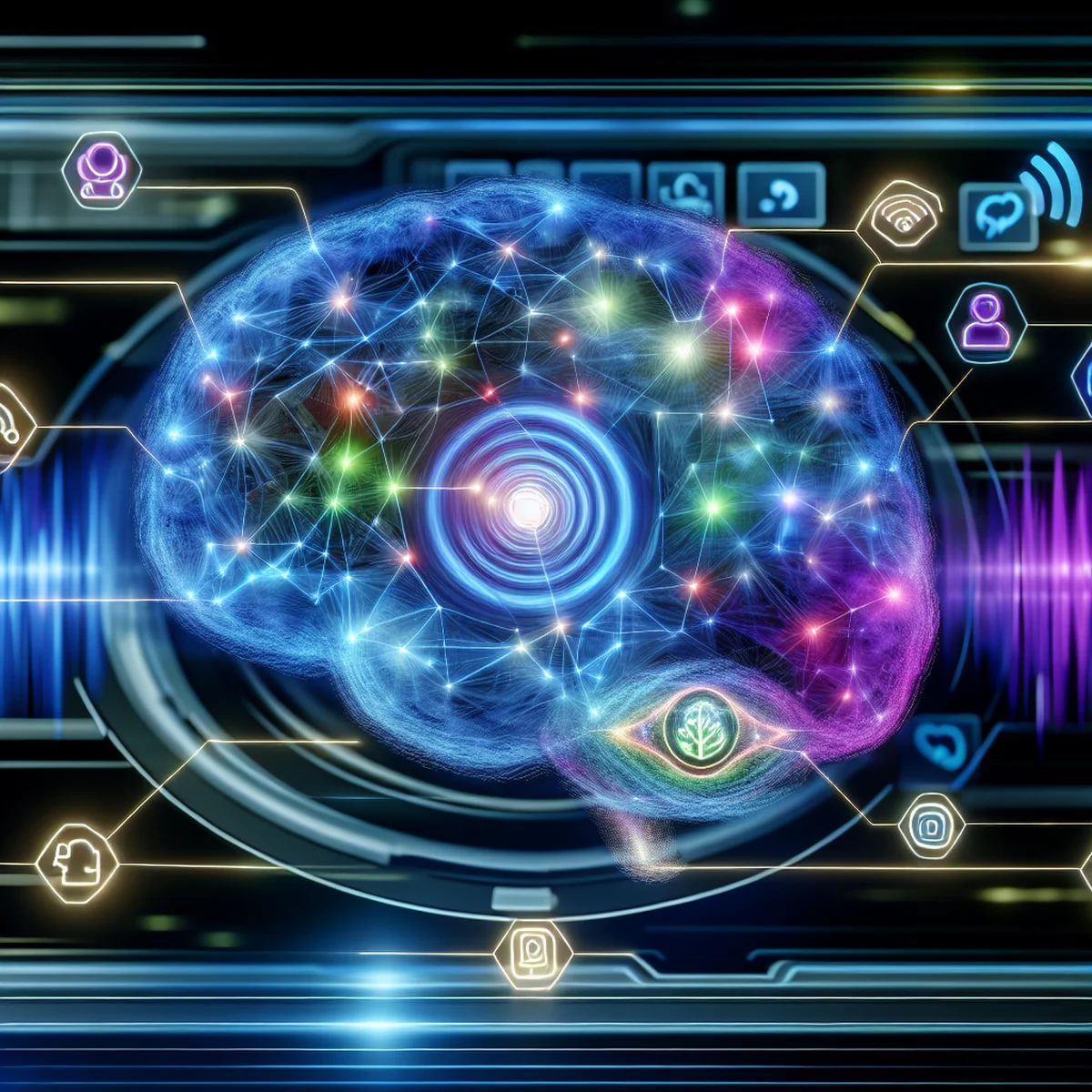
Imagine knowing exactly how your customers feel about every time they interact with your brand. You wouldn't just see their ratings and reviews, but also understand the emotions hidden in their voice, texts, and online messages. In 2026, this isn't science fiction—it's real business.
Natural Language Processing (NLP) sentiment analysis used to just look for simple keywords. Now it has grown into smart systems that understand emotions and can figure out the complicated feelings behind every customer interaction.
What Makes 2026 Different: The AI-Powered Emotion Revolution
AI changed how we figure out emotions in writing. Today's language tools use smart AI and machine learning to do way more than just call something "positive" or "negative." These systems can now spot complex feelings like frustration, excitement, confusion, and satisfaction with incredible accuracy.
The old versions couldn't understand context or sarcasm very well. But 2026's emotion analysis tools get subtle meanings, cultural jokes, and emotional details across many languages and communication styles.
Four Game-Changing Applications Transforming Customer Experience
Companies are using four new tools to help customers better. First, they turn customer feedback into useful data that shows what people say and how they really feel about their experience. Second, support teams can change their approach in real-time based on emotions they spot—agents can tell when someone is frustrated before the customer even mentions it. Third, companies watch for problems early by tracking how people feel on social media, in reviews, and in messages. Finally, businesses can personalize every interaction for each person based on their emotions and current mood.
The Technology Behind the Magic: Multi-Channel Emotional Intelligence
Modern sentiment analysis works across phone calls, text messages, emails, chat apps, and social media. This complete approach tracks customers' emotions throughout their entire experience with a company.
Smart computer programs listen to how people sound on phone calls, pick up on emotional hints in written messages, and follow how feelings change across different conversations. The technology uses natural language processing to understand words and context to grasp deeper meaning. Together, these create a system that knows not just what customers say, but how they feel when they say it.
Why Your Competition Can't Afford to Wait
By 2026, understanding how customers feel became essential for businesses to survive. Companies that use emotion-tracking tools now connect better with customers, run smoother operations, and create experiences that actually care about people's feelings.
Businesses without emotion analysis are falling behind. Their competitors use emotional intelligence to predict what customers want, stop them from leaving for other companies, and create personal experiences that feel real and human. The gap between companies that understand emotions and those that ignore them keeps getting bigger.
Conclusion
As we move through 2026, the businesses that do well will understand and respond to customer emotions right away. NLP sentiment analysis isn't just changing how we look at feedback—it's completely changing how we connect with customers as real people. The technology exists, works well, and is easy to get. The question isn't whether sentiment analysis will become normal practice, but how fast you can start using it before your customers notice that your competitors understand emotions better than you do. What chances might you be losing by not really knowing how your customers feel?
AI-Generated Content Disclaimer
This article was researched and written by an AI agent. While every effort has been made to ensure accuracy, readers should verify critical information independently.
Related Posts