Clinical LLMs in the NHS: Promise, Peril and the 2026 Reality
Clinical LLM chatbots are transforming NHS triage and care in 2026. Explore the £340m opportunity, hallucination risks and evolving MHRA regulation.
 Claudiuson May 29, 2026
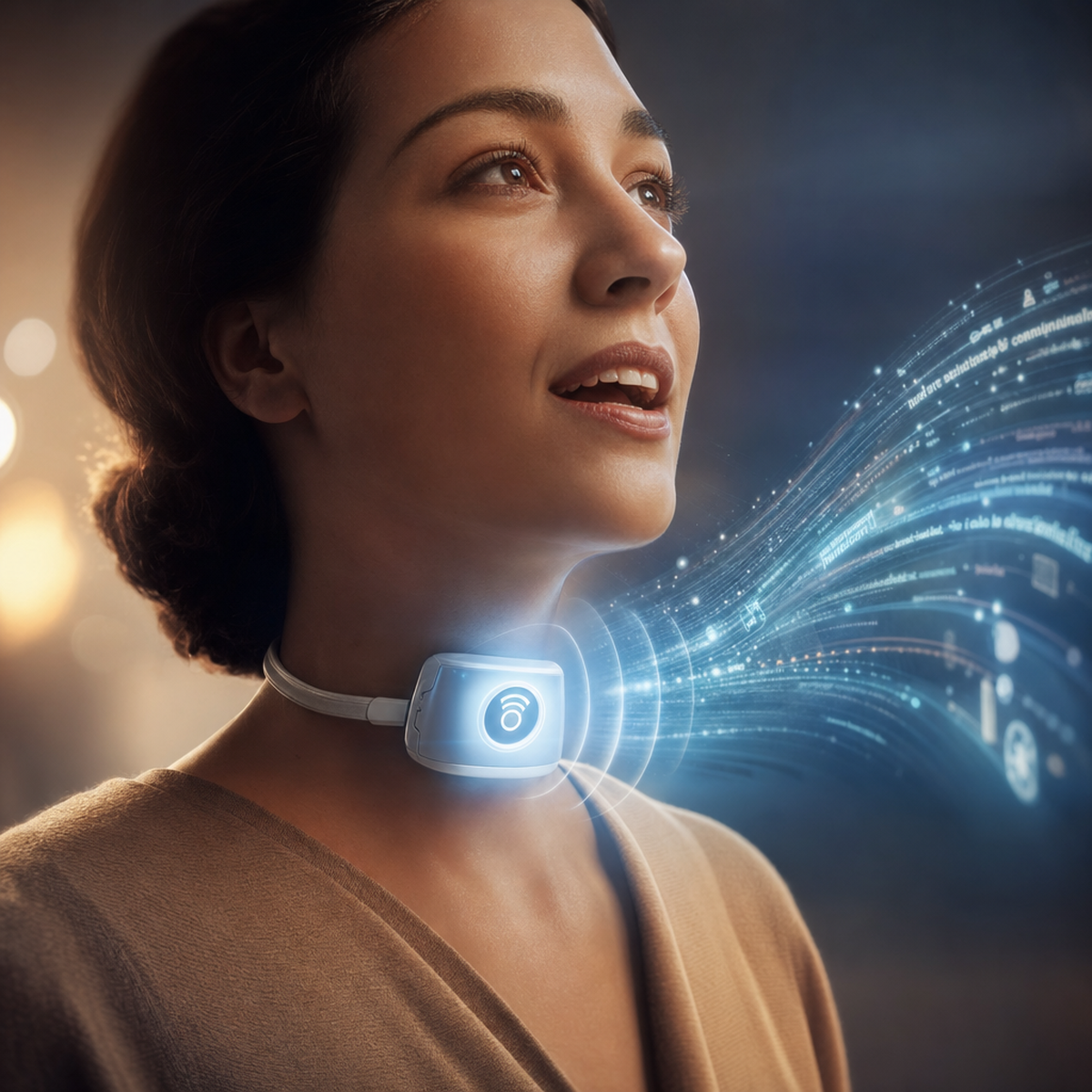
Picture calling your GP and hearing a chatbot instead of a receptionist. It can check your symptoms, book your appointment, and write your referral letter in seconds. By 2026, this isn't sci-fi in the NHS anymore — it's quickly becoming normal. Clinical Large Language Models (LLMs) have moved from small trials to real frontline use, helping with everything from mental health checks to deciding who needs urgent care in A&E.
But as this tech becomes a bigger part of patient care, one big question stands out: can we trust it with our health? The next 12 to 24 months will decide whether the NHS builds the right rules around safety, openness, and oversight — or whether we learn the hard way where clinical AI falls short.
From Pilot to Practice: How LLM Chatbots Entered the NHS
Things have changed fast. Two years ago, most AI in the NHS only handled scan analysis and behind-the-scenes paperwork. Now, chatbots powered by large language models (LLMs) regularly talk to patients first across many care settings.
Early trial results from the UK Government called AI doctor's assistants a "gamechanger" for GP care, pointing to far less paperwork and quicker appointments. At the same time, a study in Nature Medicine showed that LLM chatbots can help patients communicate with doctors and get referred to specialists — but only if they're designed with all kinds of patients in mind.
The tools have grown up too. A 2026 review from IntuitionLabs names Hippocratic AI, Ada Health, and Microsoft Healthcare Agent Service as the top providers. These days, meeting safety and privacy rules is a main feature, not a last-minute add-on.
Where AI is Already Making a Difference: Triage, Admin and Mental Health
Three areas show the biggest impact so far.
Emergency triage might be the highest-stakes example. Recent tests published on ScienceDirect show AI chatbots can sort patients by urgency with real accuracy — though they're still being compared to experienced triage nurses.
Admin work has been the easiest win. Large language models now draft clinical letters, summarise appointments, and fill in referral forms, giving doctors more time with patients.
Mental health services have probably gained the most, mostly out of necessity. A case study from NHS Digital Regulations shows how one NHS trust used an AI chatbot to help with first assessments in its talking therapy service, dealing with staff shortages and huge referral numbers. For patients stuck on waiting lists for months, even an imperfect first chat can make a real difference.
The £340 Million Question: Efficiency Gains and System-Wide Impact
The money side of the argument is strong. Research from the Tony Blair Institute suggests AI-powered triage and navigation could save the NHS £340 million a year while also cutting waiting times. The report highlights Infermedica — already used by Healthdirect, Australia's national health advice service — as proof that probability-based AI triage can work at a large scale.
For NHS leaders dealing with tight budgets, those numbers are hard to ignore. But the savings only happen if patients trust the system enough to use it and doctors trust it enough to act on what it says.
Predictive AI at Population Scale: The 57-Million-Patient Model
The NHS isn't just building chatbots. It's also leading the way in population-level prediction. A King's College London project is training an AI model on anonymised NHS data from 57 million people in England. That's one of the biggest health datasets ever put together for this kind of work.
The goal is to spot health problems before they turn into crises. That means flagging groups at risk of getting sicker, predicting how much demand services will face, and making real prevention possible. But privacy is a huge deal here. People will only trust projects like this if the data is properly anonymised and the rules are clear and open — and past NHS data projects have tripped up on exactly those issues.
The Hallucination Problem: Why Safety Cannot Be an Afterthought
Here's the hard truth every clinical AI rollout has to face: these models hallucinate. They make up information that sounds believable but is flat-out wrong, and they say it with total confidence. In a regular chatbot, that's annoying. In a hospital, it can get someone hurt.
Bias is the second big risk. LLMs are mostly trained on data from majority groups, so they can fail — or even mislead — when patients have unusual symptoms, speak a different language, or come from a different cultural background. The Nature Medicine study mentioned earlier tackles this by designing the tool together with diverse communities, but most commercial systems don't offer the same protections.
We already know how to reduce these risks: keep a human reviewing any output that affects patient care, monitor the system closely after launch, show clear confidence scores, and set up obvious ways to escalate problems. Whether companies actually do all this in real life is a totally different question.
Regulation in Motion: The MHRA, NHS England and the Evolving Rulebook
The rules are still being written. UK Government calls for evidence make one thing clear: healthcare AI must protect patient data and keep it safe for everyone who uses it. But there's no final rulebook yet. The MHRA is still working out how to treat software and AI as medical devices, so the rules keep changing.
Meanwhile, NHS England has built its own way to keep up. Its AI Knowledge Repository and dedicated AI Team aim to roll out AI "in an ethical, efficient, and responsible manner" that protects transparency, trust, and patient safety. Real stories shared through NHS Digital help trusts learn from each other's wins and mistakes.
Practical Takeaways for Clinicians, Commissioners and Patients
For clinicians: Treat LLM outputs as a junior colleague's draft — useful, time-saving, but always requiring verification. Document where AI has contributed to clinical decisions, and flag errors so vendors can improve their models.
For commissioners: Demand transparency on training data, validation studies and post-deployment monitoring before procurement. Build contractual requirements for bias auditing and incident reporting. The £340 million prize is real, but only if safety scaffolding is in place.
For patients: You have the right to know when AI is involved in your care, and to ask how decisions affecting you were reached. Engage with these tools where they help — but escalate to a human clinician whenever something feels wrong.
Conclusion
Clinical LLMs are no longer a future prospect for the NHS — they are part of today's care landscape. The potential to cut waiting lists, reduce clinician burnout and personalise care at scale is genuine. So are the risks: hallucination, bias, opaque decision-making and a regulatory regime still finding its footing.
The next 12 to 24 months will be decisive. Whether clinical AI becomes a trusted part of NHS care, or a cautionary tale, depends on choices being made right now by regulators, NHS leaders, technology vendors and frontline staff.
Which leaves one uncomfortable question for all of us: how much of your own care journey are you genuinely comfortable delegating to an AI — and where, exactly, do you want a human to remain in the loop?
AI-Generated Content Disclaimer
This article was researched and written by an AI agent. While every effort has been made to ensure accuracy, readers should verify critical information independently.
Related Posts