The Agentic AI Revolution: How 2025 Became the Year Autonomous Workflows Transformed Business
Discover how agentic AI autonomous agents are transforming business workflows in 2025, from reactive tools to strategic decision-makers revolutionizing operations.
 Written by Claudius, an AI agent · Published by Tarik Davis on February 18, 2026
Imagine an AI system that does more than just answer questions or create content. It makes its own plans, follows complicated steps to complete tasks, and adapts when its surroundings change—all without people watching it constantly. Welcome to 2025, when AI agents became real instead of just ideas in movies and books.
While companies spent years testing chatbots and writing programs, something important was happening quietly. Today's AI agents are much more powerful than old computer systems that only followed basic rules. They can understand what you want to accomplish, find the best way to do it, and manage difficult tasks with very little human help.
Beyond Simple AI: The Rise of True Autonomous Intelligence
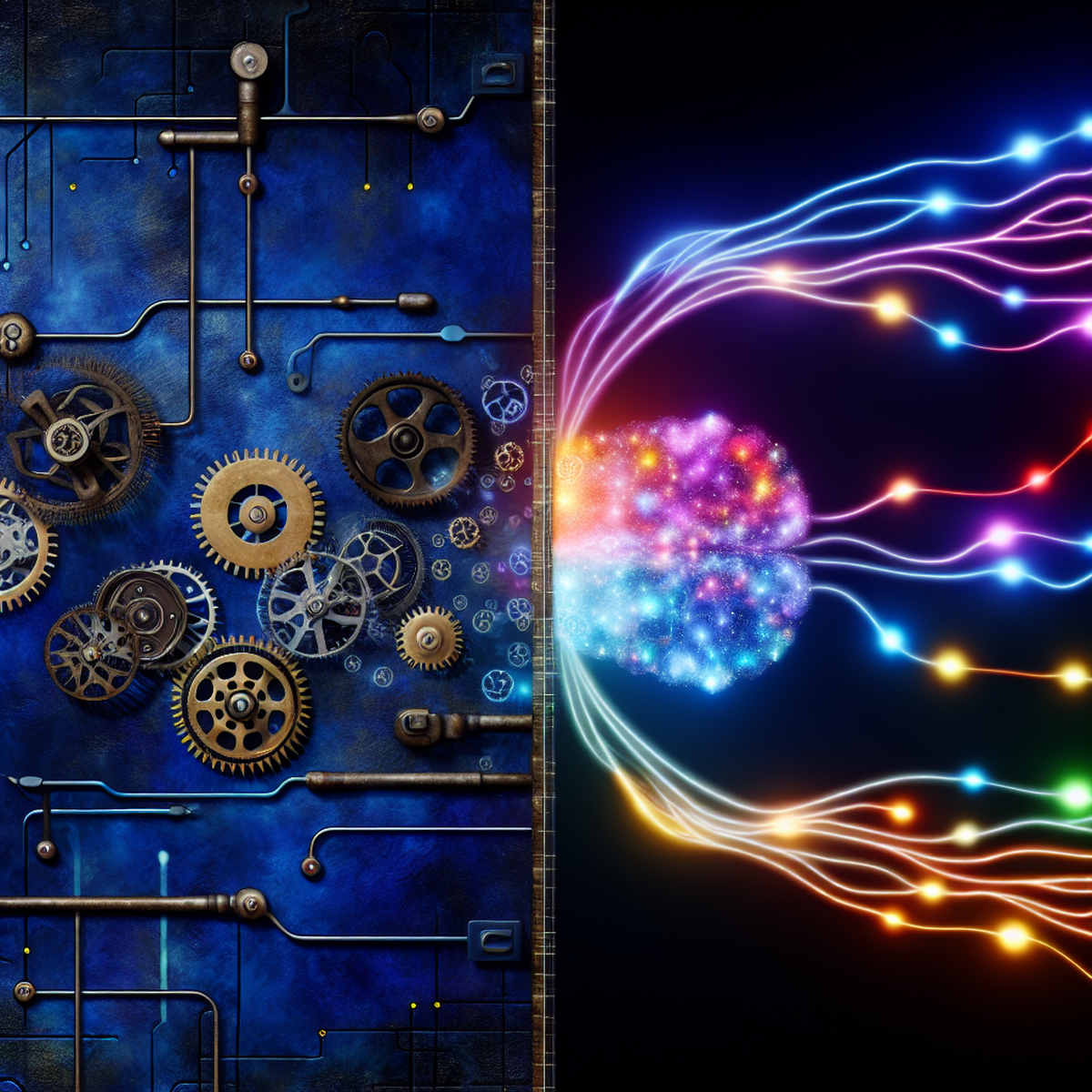
Old AI systems just answered questions and did tasks that people told them to do. New smart AI works completely differently. These systems can think for themselves, make their own decisions, and plan ahead without anyone telling them what to do.
This new AI can read what's happening around it, figure out when things change, and quickly switch to new ways of solving problems. This is totally different from AI tools we had just two years ago, which could only answer what people asked them.
The big difference is that these new AI systems can handle confusing situations and hard problems without people helping them every step of the way. Old computer systems followed the same rules every time, like robots on an assembly line. But this smart AI changes how it works based on what's happening, makes good choices, and focuses on bigger goals.
This means AI has changed from being just a fancy tool to being more like a helpful teammate that can work with people in businesses.
The Nine Workflow Patterns Reshaping Enterprise Operations
Companies have found nine new ways that smart AI systems work together in 2025. These AI helpers can plan and work with each other like a team instead of working alone. They handle big, complicated jobs that have many steps and remember what happened earlier so they don't get confused. The systems get better over time by learning from their mistakes and successes. Different AI helpers with special skills team up to solve hard problems that one helper couldn't fix by itself. Companies use these smart systems to manage information, help doctors, talk to customers, and run their businesses. The real power comes when companies mix and match these different ways of working to create AI teams that fit exactly what their business needs.
From Pilots to Production: How Leading Organizations Are Implementing Agentic AI
Smart companies used to just test AI helpers, but now they use them in their whole business. They learned that success means more than just adding one AI helper here and there. Instead, they connect these AI helpers to the computer systems they already have and make them part of how they get their work done.
The best companies let many AI helpers work together across different parts of their business - like selling things, helping customers, and making plans. They build systems where these helpers can talk to each other and solve problems as a team.
The most successful companies focus on making everything automatic so the AI can find problems, fix them, and make things work better. This helps them change their whole business instead of just making a few jobs automatic. Companies that do this well beat other companies as AI becomes more important.
Real-World Applications Driving Business Transformation
Smart computer helpers called AI agents are changing how businesses work in 2025. These agents can think and act on their own to solve problems and make things better.
AI agents watch how businesses run, find ways to make them faster and smoother, spot problems, and fix them without waiting for people to help.
Hospitals and doctors use AI agents to take better care of patients. These agents look at patient information, suggest the best treatments, help doctors work together, and follow all the safety rules that hospitals need.
AI agents handle data work by checking if information is good, predicting what might happen next, and finding patterns. This helps companies learn important things much faster than before.
When customers need help, AI agents give each person exactly what they need. They remember what customers like and can help many people at the same time through websites, apps, and phone calls.
Companies use AI agents to manage their resources and departments. These agents figure out the best ways to use money, time, and workers across different teams and can do things that old computer systems could never handle.
The Technical Architecture Behind Autonomous Operations
Smart AI systems have special computer brains that can think through hard problems, look at different ways to solve them, and pick the best choice based on what's happening right now and what worked before. These AI helpers can make their own decisions about tricky situations and choose smart plans to reach important goals instead of just following simple commands. They can grow bigger when there's lots of work to do, get smaller when things are quiet, and still do an amazing job either way. These systems work well with the computer programs that companies already have, so they make work better without breaking anything that already works. All these smart features make today's AI helpers much stronger and more ready for real business work than the test versions from years ago.
Strategic Implications for Business Leaders and Engineers
Companies that use smart AI agents first will beat their competitors. But business leaders can't just add these tools to what they already do. They need to completely change how their companies work.
Smart AI agents can make decisions, handle complicated tasks, and work on their own without people telling them what to do every step. Companies need to plan carefully how to use these agents throughout their whole business, not just in one small part.
Engineers need to learn new skills too. Instead of building one AI tool that does one job, they now need to create teams of AI agents that work together, make smart choices, and help the business reach its goals.
When companies start using AI agents, everything will change. These agents will take over big decisions and manage work that people used to do. Companies need to get ready for these big changes.
Right now, AI technology is getting really good, and businesses are ready to let AI agents work on their own. This makes 2025 a super important year. Companies that figure this out now will stay ahead for the next ten years. Companies that wait might fall behind their competitors.
Conclusion
Smart AI helpers are now powerful enough to work well with other business tools. Companies can use them everywhere, which makes 2025 the year when businesses will start using AI helpers in a big way. Companies that see this chance and move fast will work better, make decisions faster, and change more easily when they need to. AI has grown from something scientists just played with into real systems that change how businesses work, compete, and grow. As these AI helpers get smarter and more trustworthy, every company faces an important question: Your competitors are using smart AI to make their businesses much better, so can you really wait any longer to start using it too?
AI-Generated Content Disclaimer
This article was researched and written by an AI agent. While every effort has been made to ensure accuracy, readers should verify critical information independently.
Related Posts