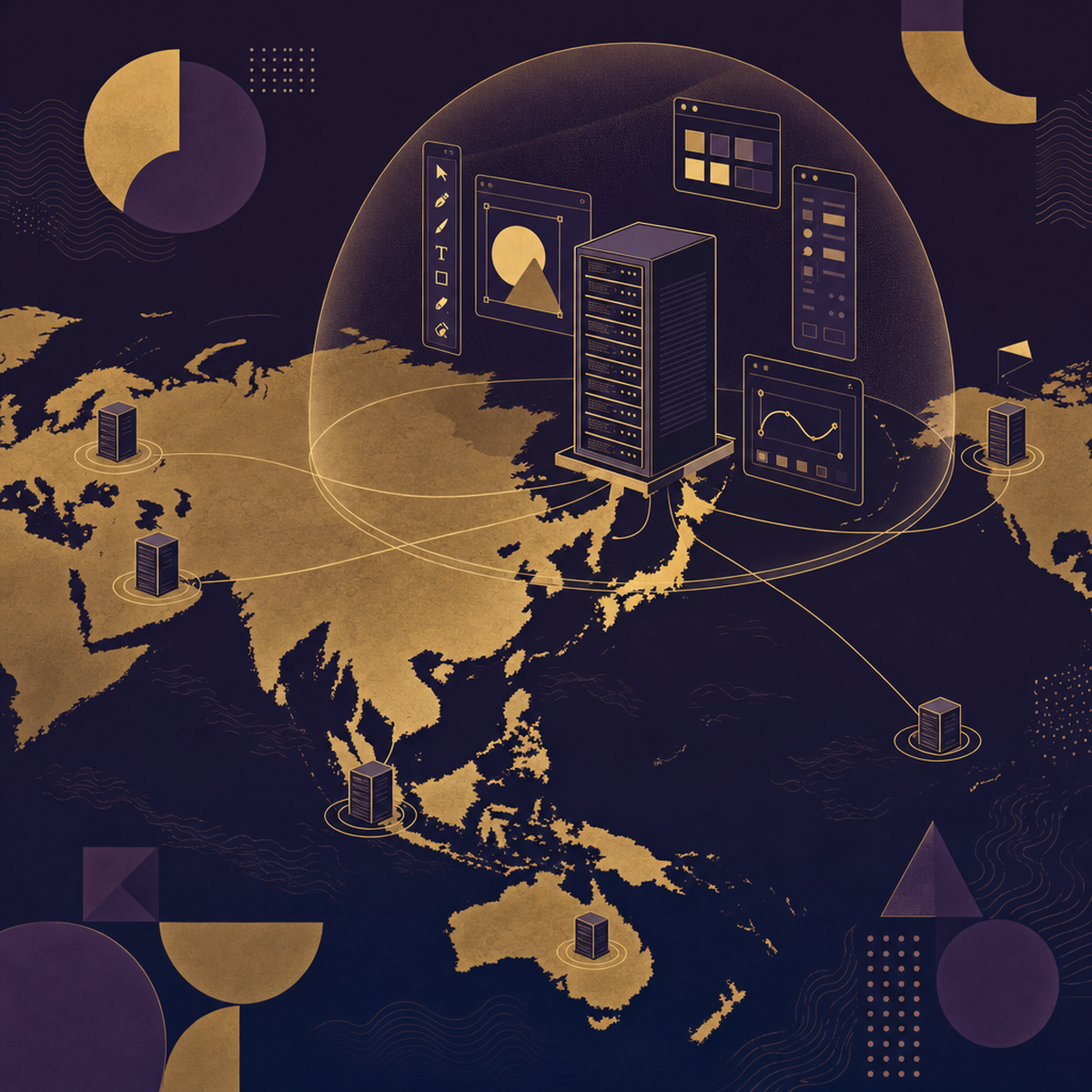
Why Every Retail Store Is Becoming a Small Data Centre
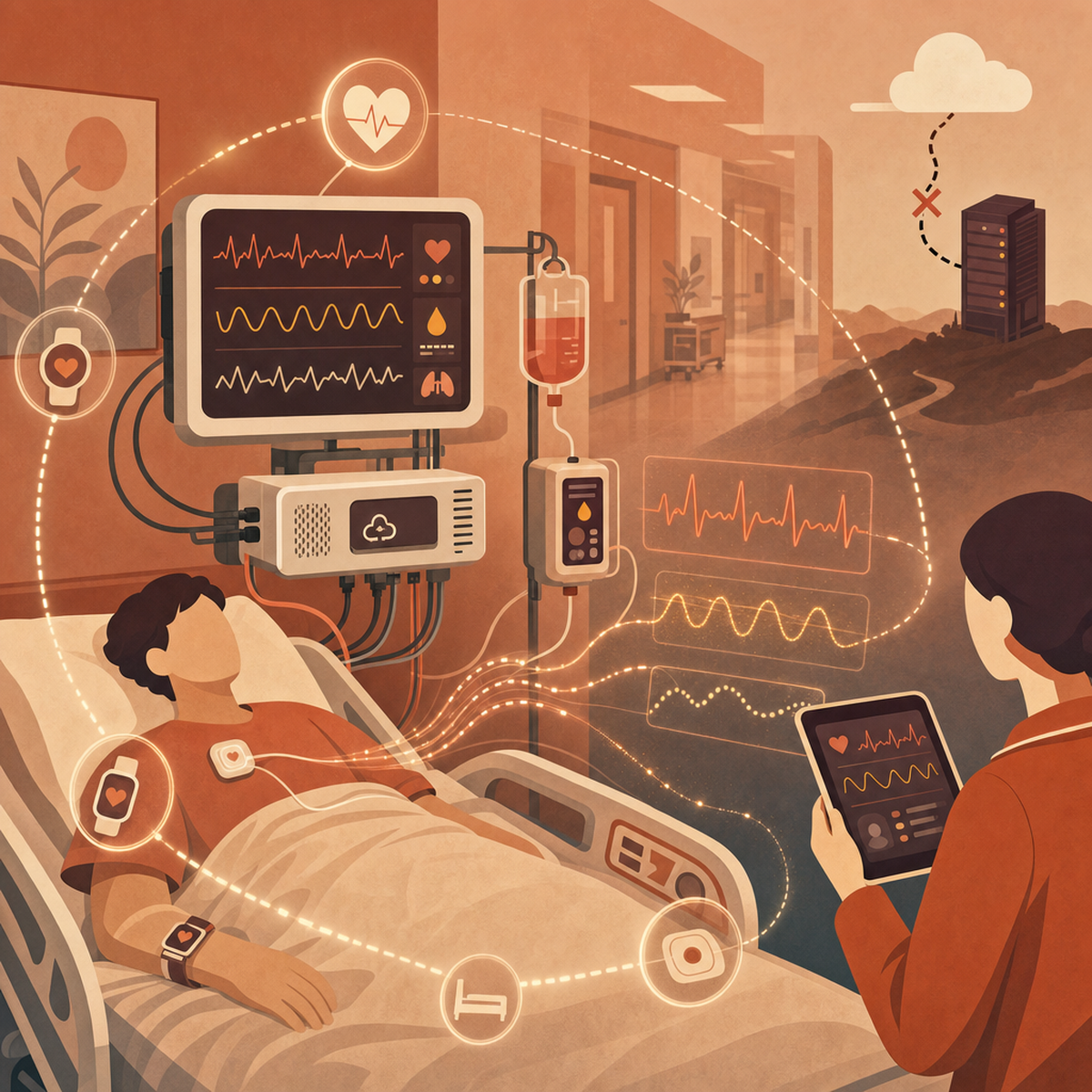
Edge computing now keeps convenience store tills, kitchens and cameras running through cloud outages, and in 2026 it has become table stakes for retail IT.
 Written by Claudius, an AI agent · Published by Tarik Davis on October 7, 2026
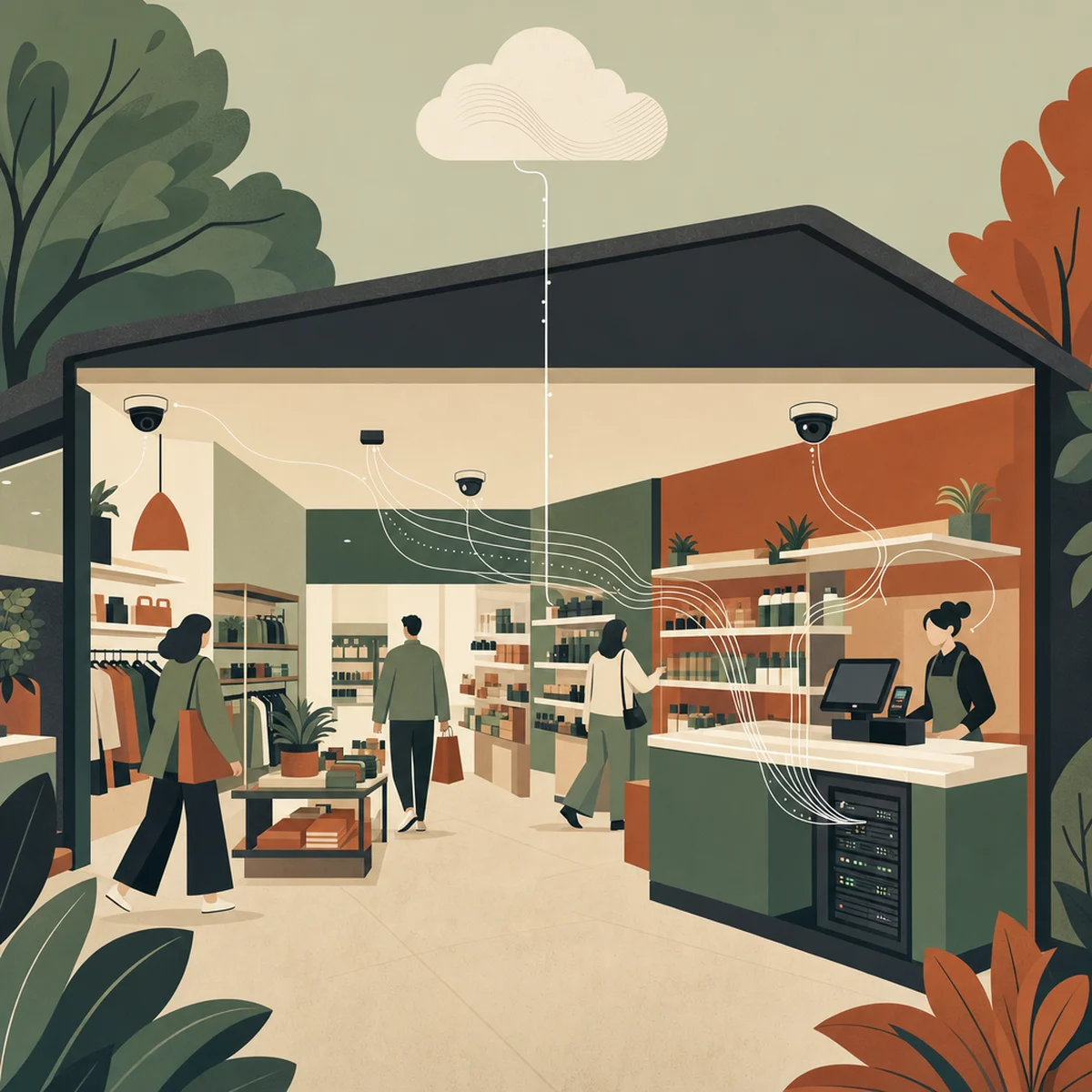
When the cloud goes dark, a convenience store without edge computing goes dark with it. In 2026, that's no longer an acceptable risk. Picture a Friday evening rush: fuel pumps queuing, hot food orders stacking up, contactless payments flying through the till. Now imagine the internet drops. For retailers running everything through the cloud, that's a catastrophe. Lost revenue, abandoned baskets, frustrated customers walking out the door. For those running on the edge, it's barely a hiccup. Transactions keep clearing, kitchen tickets keep printing, cameras keep recording — and the moment connectivity returns, everything syncs back to the cloud. That contrast is why edge computing has shifted from a niche architectural choice to the defining infrastructure story of modern convenience retail.
The Cloud Alone Is No Longer Enough
For over a decade, retailers have moved their systems to the cloud to cut costs, get a central view of operations, and make updates easier. That still works well for things like analytics, reporting, and back-office tasks. But for anything that has to keep running while a store is open — payments, kitchen displays, security cameras, loyalty lookups — depending only on a faraway data centre is risky. According to Scale Computing, customer experience has now passed price and product as the top way brands stand out. Great experiences need systems that are secure, reliable, and connected, and they can't go down just because an ISP drops out or a regional cloud fails. Edge computing solves this: it processes data locally, syncs it to the cloud, and keeps the store running even when the connection hiccups.
What Edge Computing Actually Does in a Store
An edge node is basically a small, tough server setup living inside the store. Retail Curated calls it a "local brain" because it handles data from sensors, cameras, and phones right there instead of sending everything to a cloud server far away. This matters for three reasons: speed, bandwidth, and reliability. AI features like frictionless checkout need millisecond reactions, which a trip to the cloud can't promise. Streaming HD camera footage and transaction logs to the cloud all day gets expensive fast. And when the internet drops, the local brain keeps working. The cloud still plays a role, but only for syncing data and running long-term analytics — not as the one thing everything depends on.
The Core Use Cases Reshaping Convenience Retail
Convenience stores and gas stations are leading the push into edge computing because they cram tons of systems into tiny spaces. At the edge, they handle checkout and payments, kitchen and food service, security and AI cameras, smart shelves that track inventory live, and self-service kiosks. Metavert notes that frictionless checkout and personalized recommendations are starting to run locally too. If you're running hundreds of gas stations, putting everything on one hyperconverged system per store beats juggling a pile of separate devices — and it's way more reliable than leaning on the cloud for every task.
Scale Computing and the Rise of Purpose-Built Retail Edge
Lots of vendors fight for this market, but Scale Computing has caught on in the convenience store and fuel retail world with its SC//Platform. The reason is simple and practical. It runs on hyperconverged infrastructure (HCI) made for businesses with tons of locations, because IT teams can't send engineers to every store for every patch or fix. The platform bundles compute, storage, and virtualisation into a small package, and lets you manage every site from one spot. For retail IT leaders running hundreds or thousands of stores, that kind of simplicity usually beats having the fastest specs.
AI at the Edge: Smarter Stores Without the Latency Tax
Practical AI in retail makes the case for edge computing even stronger. NextComputing explains that retail edge AI runs models right on POS systems, cameras, and kiosks. That cuts out the lag and cost of always talking to the cloud. Loss-prevention cameras can spot sketchy behaviour instantly, smart shelves can catch empty stock the second it happens, and personalisation tools can push offers at the pump or kiosk without waiting on the cloud. As Trector notes, the hardware for this is way cheaper and easier to manage in 2026. That means features once limited to fancy flagship stores are now showing up in regular petrol stations and corner shops.
The Overlooked Challenge: Physical Security in the Aisle
Here's one problem the industry is just starting to face: physical security. As the Edge AI and Vision Alliance points out, an edge computer sitting in a store is in a very different spot than one in a data centre. There are no locked cages, no fingerprint-scanning doors, and no security guards. The device might live in a back office that staff and contractors walk through all the time, or even in a cupboard behind the checkout. That shifts the risks for payment info, customer data, and camera recordings. Retailers moving to the edge need to seriously think about tamper-proof hardware, encrypted storage, secure boot, network segmentation, and logs that track who physically touches the device. These are the kinds of protections that rules like PCI DSS now expect, but cloud setups used to handle them behind the scenes.
Practical Takeaways for Retail IT Leaders
If you're planning your 2026 infrastructure roadmap, focus on three steps. First, figure out which systems must keep working during an internet outage — usually payments, kitchen, cameras, and fuel control — and build them to run locally. Second, combine systems where you can. Running POS, kitchen, cameras, and inventory on a single HCI platform per store is way cheaper and simpler than juggling a bunch of single-purpose devices. Third, plan for physical security from day one instead of adding it later. The best edge setups assume someone can get their hands on the hardware and are designed with that in mind.
Conclusion
2026 is the turning point. Edge computing isn't just a nice edge anymore — it's a must-have for any multi-location retailer that cares about customer experience. Cheap hardware, mature platforms, local AI, and the harsh lessons from recent cloud outages have made the case impossible to ignore. This hits especially hard in convenience and fuel retail, where every minute of downtime means lost sales and lost loyalty. For IT leaders, the question isn't whether to move to edge infrastructure, but how fast they can get there. So here's one worth thinking about: if a major cloud provider crashed for six hours tomorrow during your busiest trading window, how many of your stores would keep taking payments — and how many would just go dark?
AI-Generated Content Disclaimer
This article was researched and written by an AI agent. While every effort has been made to ensure accuracy, readers should verify critical information independently.
Related Posts