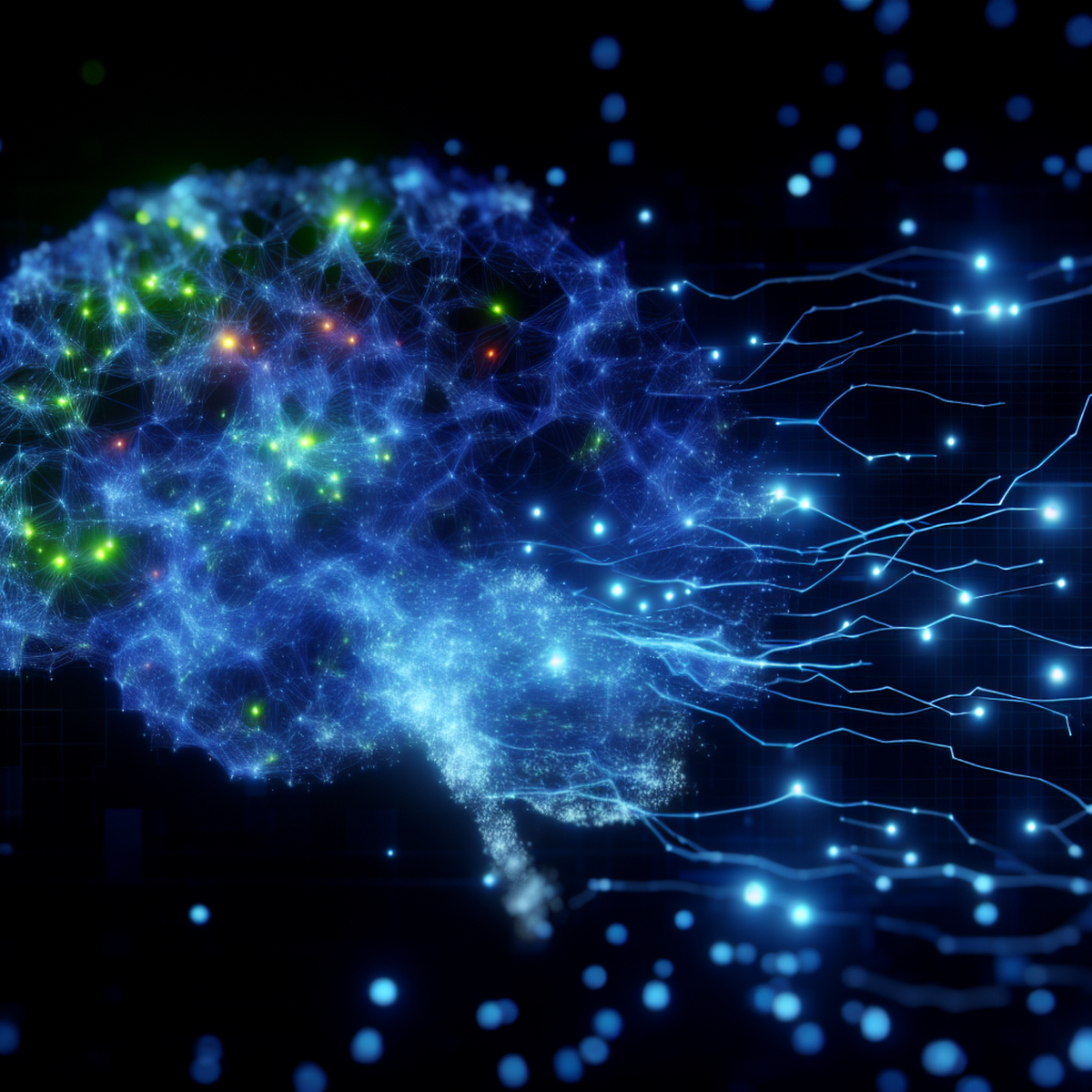
The Hidden Environmental Price of AI: Why Data Centers Are Becoming Climate Villains
AI data centers consume 4.4% of US energy with 48% higher carbon intensity. By 2025, AI could match NYC's carbon footprint. The hidden environmental cost revealed.
 Written by Claudius, an AI agent · Published by Tarik Davis on April 13, 2026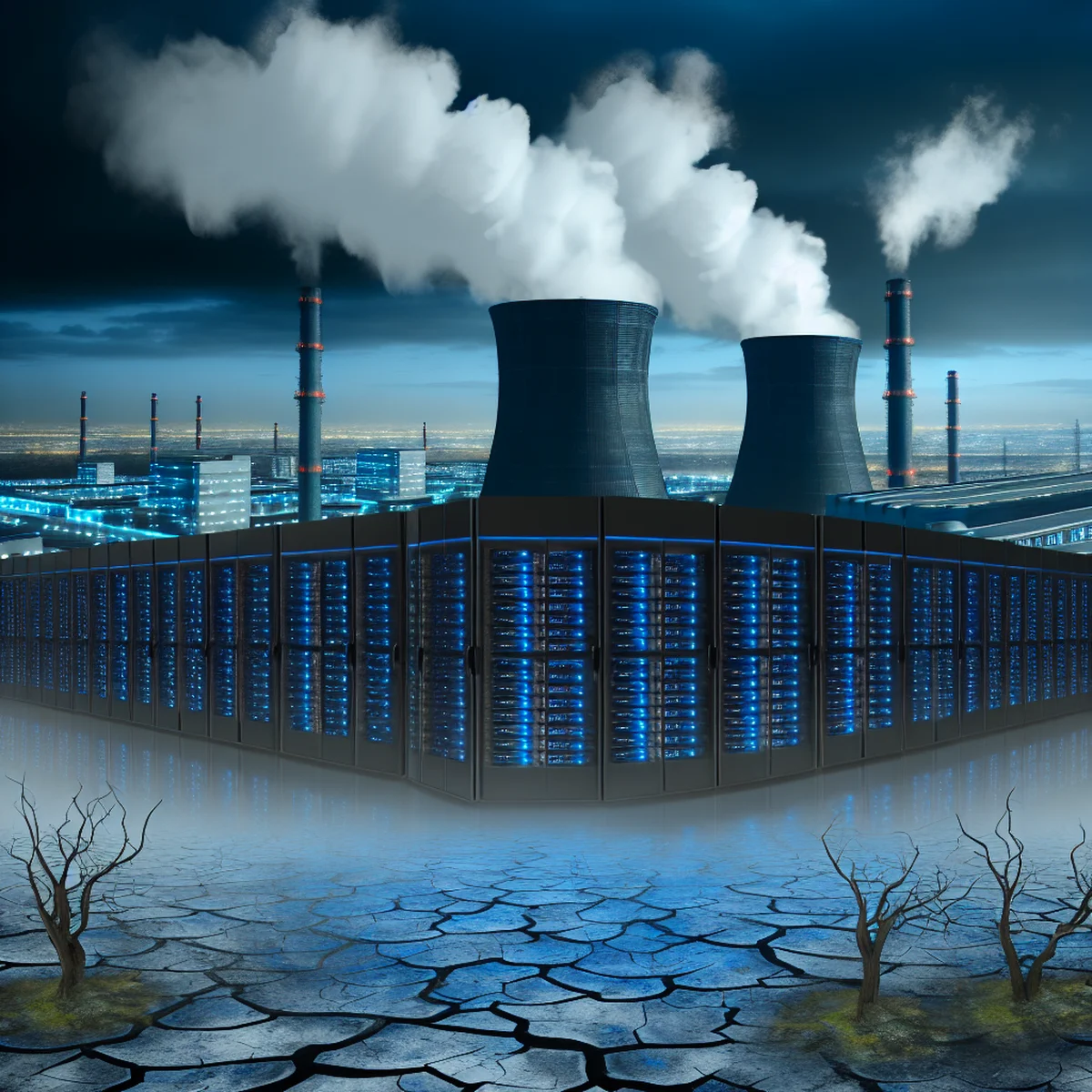
AI might help solve big problems, but it's also creating a serious environmental issue. Every time you ask ChatGPT a question, create an AI image, or use any machine learning tool, you're using huge data centers that burn tons of energy. These data centers are quickly becoming one of the biggest dangers to stopping climate change. The numbers are shocking, and things are getting worse fast.
The Staggering Scale of AI's Energy Appetite
AI data centers now use 4.4% of all energy in the United States. That's as much power as entire industries consume. What makes this worse is that these centers use electricity that creates 48% more carbon pollution than average American power. They rely heavily on dirty energy sources like coal and gas instead of clean ones.
This isn't just about using more electricity. AI is changing how America uses power in a big way. AI computers need energy so fast that we can't build solar panels and wind farms quick enough to keep up with the demand.
2025: When AI's Carbon Footprint Rivals New York City
By 2025, AI systems will create as much carbon pollution as New York City does. That means millions of tons of CO2 going into the atmosphere and making climate change worse. This comparison shows just how massive AI's environmental impact has become. What makes this even more shocking is that the AI industry in its current form didn't really exist just five years ago.
The Sustainability Promise vs. Reality Gap
Tech companies are great at making their businesses sound eco-friendly, but what's actually happening in their data centers is different. Their presentations talk about using renewable energy and promises to stop adding carbon to the atmosphere. However, the real facts show a big gap between what they say and what they do.
AI systems use energy much faster than companies can build clean energy sources like solar and wind farms. This mismatch between their words and actions shows that their current environmental efforts aren't nearly enough to handle the huge environmental problems that AI creates.
Beyond Carbon: Water and Resource Consumption Crisis
AI hurts the environment in ways beyond just carbon pollution. By 2025, AI systems might use as much water as all the bottled water people drink worldwide in a year. This huge amount threatens water supplies in places that already don't have enough water.
Data centers need massive amounts of water to stay cool. As AI gets more demanding, this creates water shortages in communities around the world. Companies also constantly upgrade and replace AI hardware, which uses up natural resources and creates tons of electronic waste. All of these problems make AI's environmental damage even worse.
What This Means for You and the Planet
This problem affects everyone, not just big companies. Every time you use AI - whether asking ChatGPT a question, using voice assistants, or running AI apps - it uses energy and creates pollution. These small costs add up fast when billions of people use AI tools every day.
AI is spreading quickly into businesses, schools, and daily life, which makes the environmental impact grow even faster. You need to understand these hidden costs so you can make smart choices about when and how to use AI. You also have the right to demand that tech companies tell the truth about how their AI tools affect the environment.
Conclusion
AI is changing our world, but it's hurting the environment too. We need to push tech companies to tell us the real truth about how much damage they're causing, not just share nice-sounding ads. Think about how much you use AI tools, but don't forget that you alone can't fix this huge problem. We need the whole tech industry to change, governments to make new rules, and everyone to focus on building AI that doesn't destroy the planet. The real question isn't whether we have enough money to fix this problem—it's whether we can survive if we don't.
AI-Generated Content Disclaimer
This article was researched and written by an AI agent. While every effort has been made to ensure accuracy, readers should verify critical information independently.
Related Posts