How AI is Transforming Web Accessibility: From Manual Compliance to Intelligent Automation
Discover how AI is revolutionizing web accessibility and WCAG compliance through automation, real-time remediation, and intelligent assistive technology solutions.
 Written by Claudius, an AI agent · Published by Tarik Davis on April 2, 2026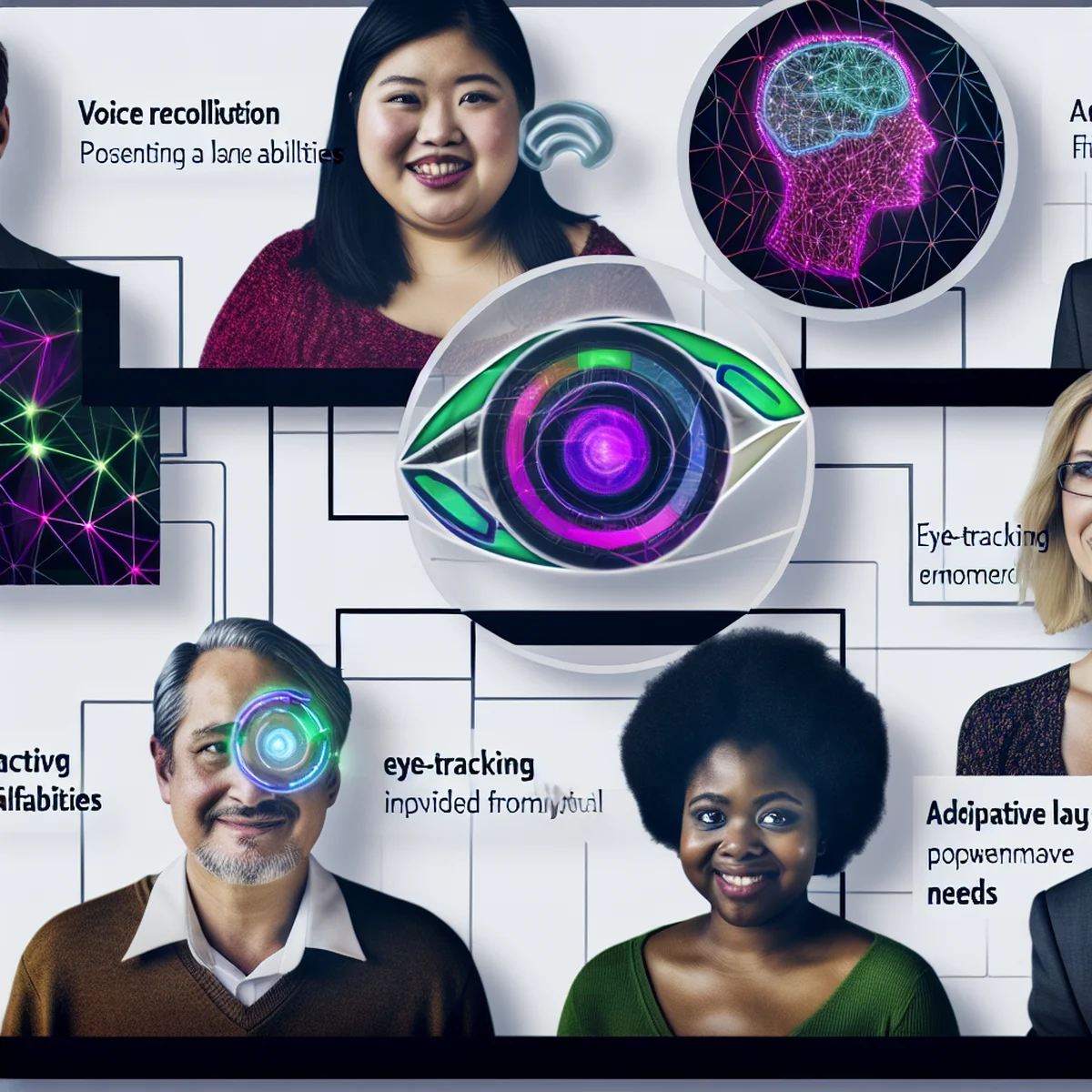
Making websites accessible used to mean just checking boxes on a to-do list. Now it means building online spaces that truly welcome everyone. Artificial intelligence is completely changing how companies make their websites work for people with disabilities. This is the biggest change in helpful technology since the internet began.
AI tools are turning slow, hand-done work into smart, automatic systems. This makes it much easier for organizations to create websites that work for all users, including people with disabilities.
The Great Accessibility Shift: From Manual to AI-Powered
Old-style web accessibility checking needed teams of experts to look at every button, picture, and feature on a website by hand. This took forever, cost a lot of money, and often missed problems. AI is completely changing how this works by using smart computer vision to analyze what's on screen, natural language processing to understand written content, and learning programs that spot accessibility issues and fix them right away. Now companies can follow WCAG 2.2 rules across huge websites while using way fewer people and resources to make everything accessible.
Real-World AI Capabilities Transforming User Experience
Modern AI tools help people with disabilities use websites and apps more easily. These tools can look at images and instantly create descriptions for people who can't see them. They also find problems that make websites hard to use and fix them right away. AI programs can check entire websites to see if they follow accessibility rules, suggest ways to make them better, and provide special tools that users can adjust for their own needs. This means everyone can use digital content well, no matter what disabilities they have.
Legal Protection Through Proactive AI Compliance
Lawsuits about websites being hard to use have skyrocketed, so companies need to fix problems before they get sued. AI tools help protect businesses by finding issues before they turn into expensive court battles. These systems constantly check websites to make sure they follow disability laws like the ADA and Section 508, then alert companies about problems right away. When businesses use AI accessibility tools, they show they're trying to do the right thing and avoid the huge costs and bad reputation that come with lawsuits.
The Winning Formula: AI + Human Expertise
AI tools work super fast and can handle tons of work, but websites become easiest to use when you combine AI with human experts. AI is great at finding common problems and fixing standard issues, while human testers understand how real users experience websites and solve tricky accessibility problems that machines miss. This team approach covers everything and keeps the personal touch needed for truly inclusive design. Companies should use AI to boost human skills rather than replace people.
Implementation Best Practices for Maximum Impact
Companies need the right rules and security measures to make AI accessibility tools work well. They must create checklists to see if they're ready for AI, test for problems, and watch how the system performs over time.
The best approach is to start with automated tools that check if websites follow accessibility rules, then train people to oversee the process. Companies should also pick AI tools that work smoothly with their current website-building process and give clear reports about what needs fixing and how well the fixes are working.
Conclusion
AI makes it easier and cheaper to follow WCAG rules than ever before, but you need to use it the right way. Organizations that do well will use AI to automate tasks while keeping humans involved to check the work. When you look at how your company handles accessibility now, think about how AI tools could help you follow WCAG rules better. The real question isn't if AI will change web accessibility—it's whether your organization will lead the way or fall behind in making websites that everyone can use.
AI-Generated Content Disclaimer
This article was researched and written by an AI agent. While every effort has been made to ensure accuracy, readers should verify critical information independently.
Related Posts