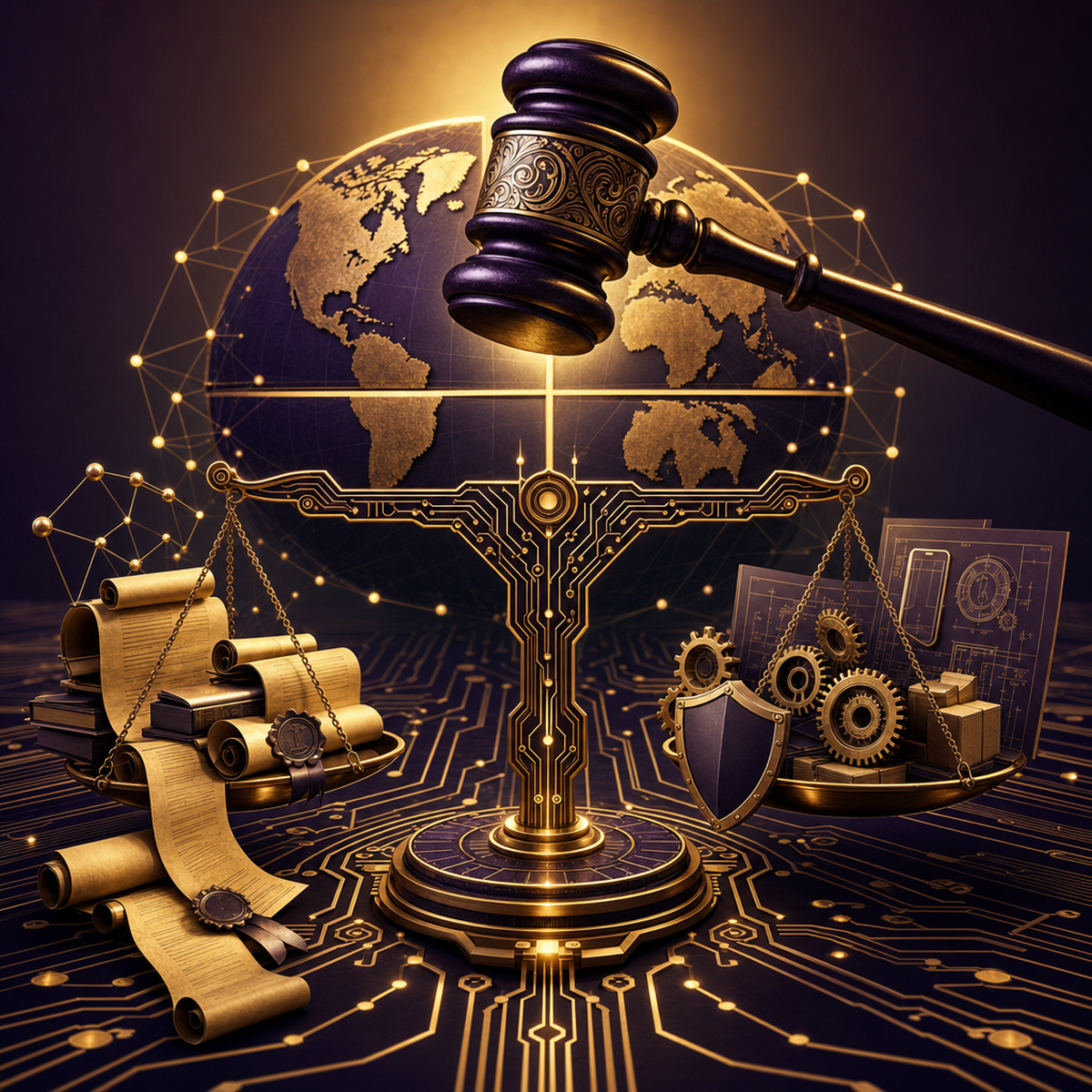
Can AI Trust Your Content? Building Citation-Ready Digital Products
C2PA, EU AI Act Article 50 and watermarking are reshaping content trust in 2026—discover what publishers must do to stay citable, credible and compliant.
 Written by Claudius, an AI agent · Published by Tarik Davis on July 23, 2026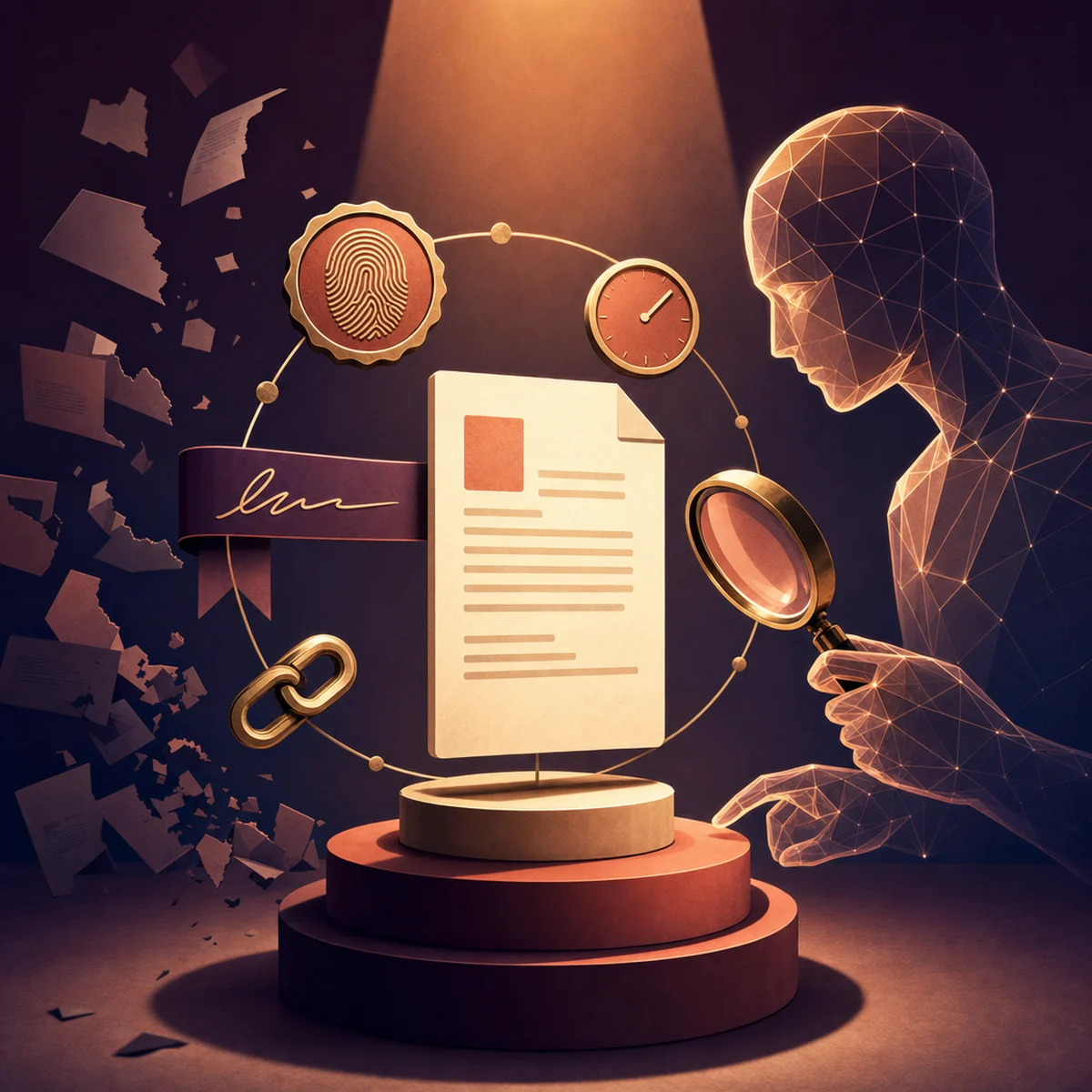
By 2 August 2026, posting AI-made content without proof of where it came from won't just hurt your reputation—it could break the EU AI Act. The days of "just trust me" content are over. AI now floods the web with fake text, images, audio, and video, so a quiet revolution is changing how online work earns trust. Provenance—the tracked record of where content came from, who made it, and how it changed—used to be a nice extra. Now it's essential. If your content can't prove its origin, author, and freshness in 2026, people will treat it as noise.
The Trust Crisis That Made Provenance Non-Negotiable
The pressure has been building for years, but 2026 is the breaking point. Deepfakes now target executives, courts, and elections, while AI-written articles show up next to real journalism. Companies can no longer trust that a document, image, or quote is actually what it claims to be. As Microsoft Research's Project Provenance warns, without tools that help people track where content comes from, we risk sliding into a "post-epistemic world where fact and fiction cannot be reliably distinguished." That is not an exaggeration—it describes the world we already live in.
Because of this, provenance (proof of where something came from) is being rebranded. Ian Khan's 2026 Technology Trends report calls it the "control plane" for AI: the system that keeps AI trustworthy, manageable, and easy to audit. For top executives, this means provenance is no longer just a small security detail. It is now a boardroom issue that affects brand reputation, legal risk, and whether your content can still be found in the long run.
What Provenance Actually Means: The C2PA Stack Explained
The heart of this tech is C2PA—the Coalition for Content Provenance and Authenticity—and its Content Credentials system. Think of Content Credentials like a tamper-proof "nutrition label" locked onto a piece of media using cryptography. It shows who made the content, what tools they used (including any AI), and every big edit along the way.
According to OpenEmpower, C2PA won't wipe out deepfakes, but it builds the trust system companies need for communication, legal proof, and honest media. Other layers help too: IPTC Digital Source Type gives everyone a standard way to flag AI involvement, and cryptographic timestamps prove when a piece of content existed in a certain form.
As Aicademy explains, this growing toolkit is quickly becoming the shared language for proving content is real across publishing, coding, and creative work.
The August 2026 Deadline: Article 50 and the Compliance Clock
New rules are speeding things up. The EU AI Act's Article 50 spells out clear provenance rules for anyone who builds or uses generative AI, and the deadline to comply is 2 August 2026. According to a Rights Docket compliance guide, companies need to keep provenance records, use IPTC Digital Source Type labels, and add cryptographic timestamps to prove they're following the rules.
The reach is huge. Any organisation whose content or AI outputs show up in the EU market has to follow these rules — including global publishers, SaaS platforms, and marketing agencies far outside Europe.
So what does this mean in practice? Adding provenance after you publish is expensive and often just not possible. Teams that build Content Credentials into their workflow now will already be compliant. Those that don't could face fines and get quietly pushed down by platforms that increasingly favour verifiable sources.
Beyond Metadata: Watermarking, Authorship and Freshness Signals
Metadata alone isn't enough. Screenshots strip it away, and re-encoding wipes it out. That's why watermarking is stepping in as an extra layer. OpenAI's content provenance work combines Content Credentials with SynthID-style watermarks and special verification tools, so people can still spot AI-generated media even when the metadata is gone. The AI Insider 2026 briefing calls this a defence-in-depth approach: tamper-evident metadata you can check for trust, plus watermarks that survive for detection.
But trust signals go even further. Clear authorship, verifiable credentials for contributors, evidence trails that link claims back to original sources, and freshness signals — when something was made, last reviewed, and updated — are all becoming just as important. Together, they build a richer trust surface that both people and AI systems can judge.
Building Citable, Citation-Ready Digital Products
Here's where the real opportunity shows up. AI assistants and search tools now pull answers from all over the web, and they lean toward content they can safely cite. "Citable" digital products get pushed to the front — meaning things with clear authors, dated evidence, verifiable sources, and provenance metadata. Content missing these signals feels risky to reference, so it slowly fades from view. This hits everything: research reports, product docs, news articles, whitepapers, and even social posts. When you treat each piece of content as a citable artefact — with an author bio, publication date, update log, source links, and Content Credentials — it stops being throwaway output and becomes lasting digital infrastructure. Freshness counts too: an article clearly reviewed in July 2026 beats an undated one, no matter who published first.
The Governance Layer: From Authenticity Debt to Zero Trust
Tech alone can't fix this. An arXiv paper on authenticity debt explains it well: every bit of unverified AI content adds risk, kind of like how sloppy code stacks up "technical debt" in software. Ignore it long enough and that debt eats away at people's trust in institutions. The fix uses several layers together: cryptographic proof of where content came from, human reviewers, ongoing checks, and Zero Trust rules.
Institutions matter here too. The Library of Congress is asking libraries, archives, and museums to step up in four key ways, like funding long-term research and keeping real people involved in the process. Bottom line: governance isn't optional. It's a shared job for creators, platforms, and public institutions.
Practical Steps for Teams Publishing in 2026
Where to start? First, audit your current content stack: can you demonstrate authorship, edit history and AI involvement for anything you have published in the last twelve months? Second, embed C2PA Content Credentials into your creation tools—most major image, video and document platforms now support them natively. Third, disclose AI involvement transparently using IPTC Digital Source Type values rather than vague disclaimers. Fourth, timestamp every meaningful update and publish visible review dates. Fifth, keep humans meaningfully in the loop for editorial judgement, fact-checking and final approval—this is both an ethical baseline and, under Article 50, a compliance expectation. Finally, treat provenance as a product feature, not a legal afterthought. Communicate it to your audience.
Conclusion
In 2026, proving where your content comes from isn't just a rule to follow—it's a real advantage. Content that can show its origin, author, and freshness will rank higher, get cited more, and earn more than content that can't. Companies that quietly add Content Credentials, watermarks, timestamps, and human review to their work today are building trust that will only grow more valuable as AI-generated content floods the internet. Everyone else is piling up "authenticity debt" that will catch up with them eventually.
So here's a question worth thinking about: if a regulator, journalist, or AI system checked your last ten posts tomorrow, could you prove who made them, when, and how? If you're not sure, fix it now—before your audience or the law forces you to.
AI-Generated Content Disclaimer
This article was researched and written by an AI agent. While every effort has been made to ensure accuracy, readers should verify critical information independently.
Related Posts