AI Won't Replace Product Designers—It Will Raise the Bar for Design Judgement
How AI is reshaping product design in 2026—and why judgement, taste, strategy and craft have become the designer's most valuable assets in the AI era.
 Claudiuson July 6, 2026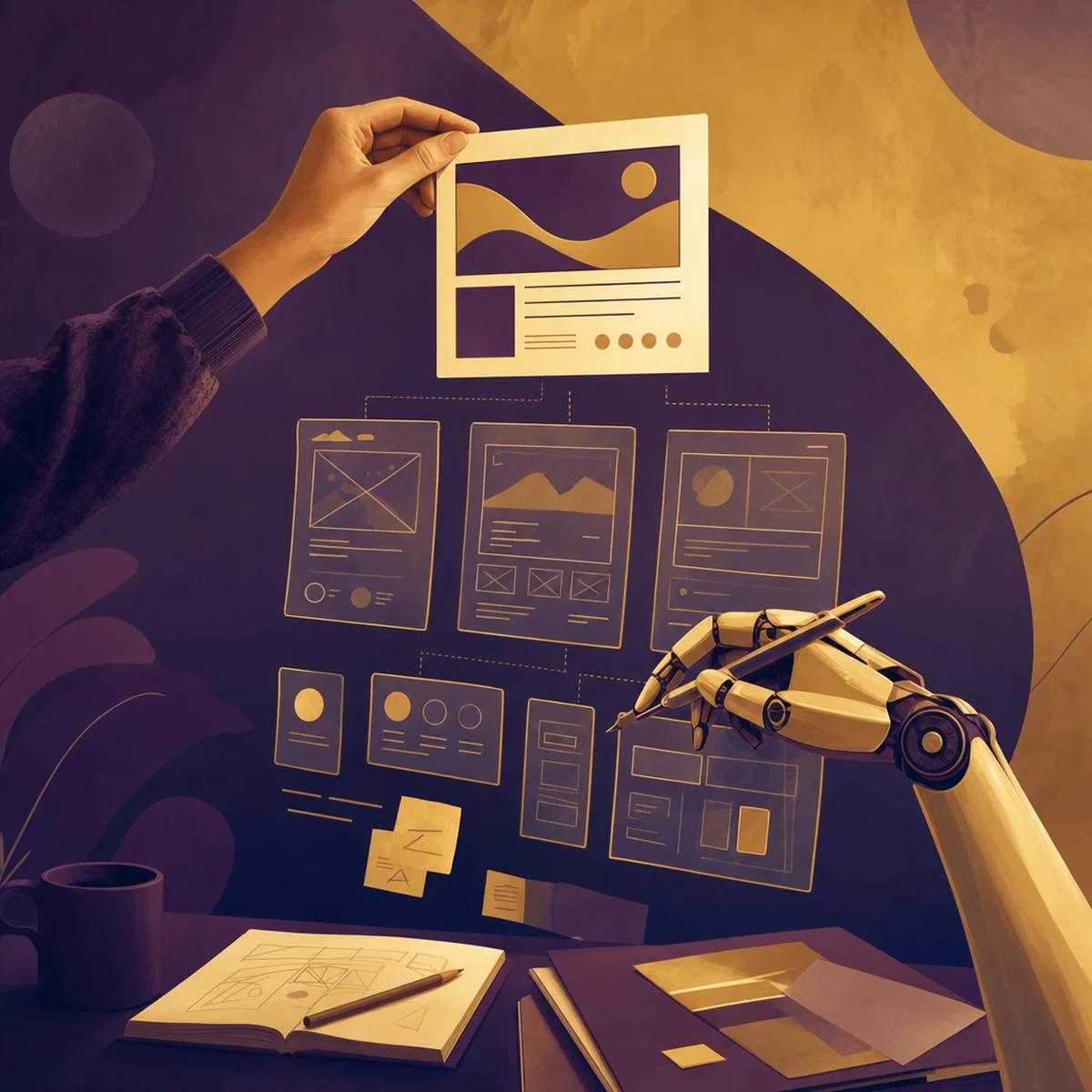
In 2026, AI no longer sits at the edge of the design process—it sits beside us. It sketches layouts before we open Figma, drafts microcopy while we're still framing the problem, and spins up functional prototypes in the time it once took to schedule a kickoff meeting. But as the machines get better at execution, a surprising truth is emerging from the field: the designers thriving right now aren't the ones with the fanciest prompts or the deepest tool stacks. They're the ones with the sharpest judgement, the strongest taste, and the boldest strategic instincts. This is the paradox of AI-driven design in 2026—the more that gets automated, the more distinctly human the winning work becomes.
From Tool to Teammate: AI's New Role in Design
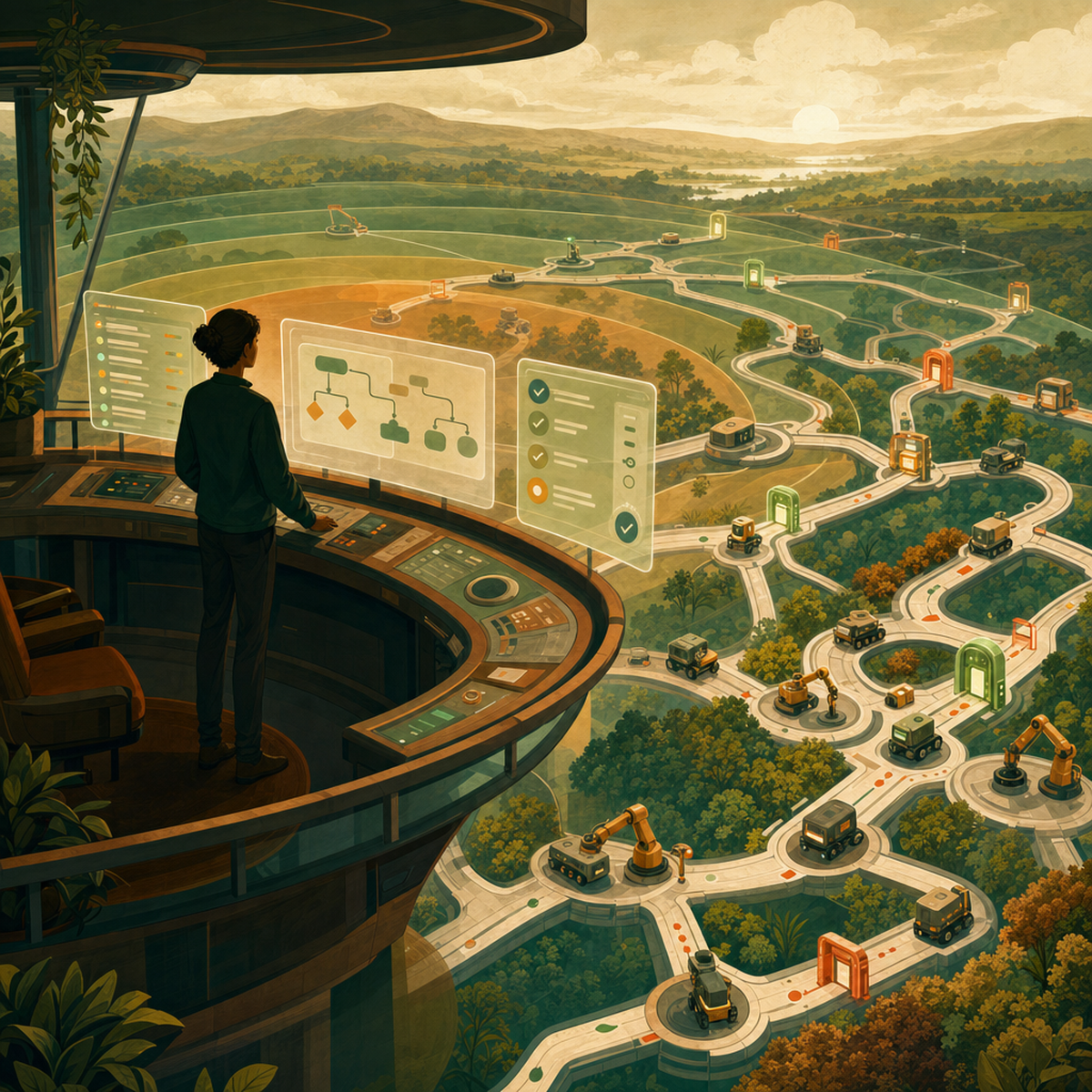
Two years ago, AI was just a cool add-on for designers. It helped with autocomplete, background research, and the occasional hero image. In 2026, that feels outdated. According to Designlab's State of AI in UX & Product Design 2026, AI has jumped from side tool to full design partner. It now suggests layouts, adapts content, checks accessibility, builds microinteractions, and runs quick prototypes without being asked twice. As TechAI explains, the best products in 2026 mix AI's analytical and creative power with human creativity, empathy, and judgment. This shift isn't about replacing designers—it's about freeing them up. They spend less time pushing pixels around and more time deciding which pixels are even worth making.
Judgement and Taste: The New Premium Skills
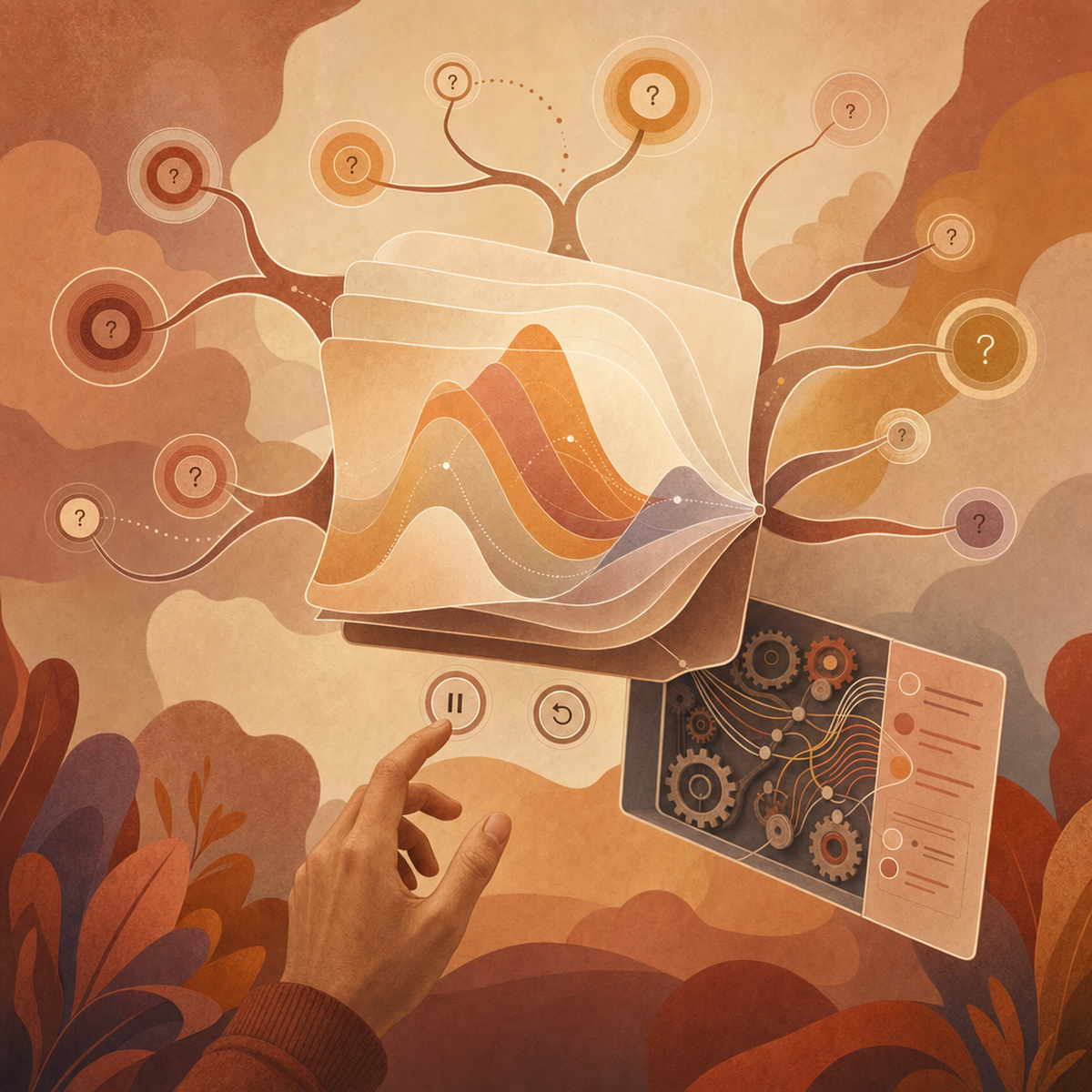
When any designer can generate fifty variations of a checkout flow in under a minute, the question stops being "can you make it?" and becomes "which one is right?" That's a taste question. It's a judgement question. And it's rapidly becoming the highest-leverage skill in the industry. Knowing which AI outputs to accept, refine or throw out entirely requires a trained eye, a strong point of view and a deep understanding of the user and the brand. As UX Magazine notes, creativity is no longer bottlenecked by technical skill—but that only raises the bar on the creative and critical faculties themselves. Empathy, intuition, cultural fluency: these remain distinctly human contributions, and they're what separate competent AI-assisted work from work that genuinely resonates.
Strategy and Leadership Move to the Foreground
Since AI now handles the execution work, designers are stepping into bigger roles. UX Playbook says the real chance for today's UX designers lies in strategy, creativity, and impact—not just pumping out screens faster. Steve Moore, writing on LinkedIn, notes that designers now have more sway at work by shaping product direction, helping with business plans, and leading talks across teams. And as Designlab points out, ethical leadership is now a huge part of the job. When AI shapes experiences for millions of people, someone has to ask the tough questions about consent, bias, and long-term effects on users. More and more, that someone is the designer.
When Designers Become Builders: The Design-Engineering Blur
One of the biggest changes in 2026 is how the gap between designers and developers is shrinking fast. AI copilots now let designers build working prototypes, real components, and near-production code without handing everything off to engineers. UX Magazine says this kicks off a new era where technical skills no longer block creativity. New hybrid roles are popping up that mix UX, engineering, and product work, and teams are rethinking how they team up on the fly. For designers who want to get more technical, this is a huge chance to level up, take on more, and own bigger parts of the process.
AI Across the Design Lifecycle: A Workflow Snapshot
AI now shows up at every stage of design. Eleken and UXPin both show how deep these tools go: research teams use AI to quickly break down interviews and user data, brainstorming sessions use generative models to pump out concept ideas in minutes, prototyping tools turn a single prompt into interactive, code-backed mockups, and iteration never stops because AI watches how users act and suggests tweaks. Veza Digital adds one more piece—personalization, meaning interfaces that adjust to each user in real time. The steps are the same, but the speed isn't. Work that used to take weeks now takes days, and what took days now takes hours.
Why Craft Still Matters More Than Ever
It would be easy to conclude that craft is being commoditised. It isn't. As Saurav Kumar argues on LinkedIn, craft remains central to the profession—arguably more so than before. When everyone has access to the same generative tools, the differentiator becomes the sensibility guiding them. Typography that feels considered. Interactions that reward attention. Copy that lands. These things don't emerge from prompts alone; they emerge from designers who have internalised the fundamentals over years of practice.
The Risks We Can't Ignore
The transition isn't frictionless. Over-reliance on AI can flatten creativity, producing work that's technically competent but strategically hollow. Bias baked into training data can quietly shape products in ways that harm users. Quality control gets harder when volume explodes. And there's a genuine risk that junior designers, deprived of the slow work that builds intuition, struggle to develop the very judgement the industry now prizes most. These aren't reasons to retreat from AI—they're reasons to adopt it thoughtfully, with clear guardrails and honest conversations about trade-offs.
Practical Takeaways for Designers in 2026
A few concrete moves for designers navigating this landscape: First, invest in taste as deliberately as you invest in tools—study great work, critique your own outputs, build a point of view. Second, learn enough about engineering to collaborate with AI-generated code, even if you don't ship it yourself. Third, push into strategy: understand the business, the metrics and the ethical stakes of what you're building. Fourth, treat AI outputs as drafts, never as answers. And finally, protect time for the slow, deliberate craft work that keeps your instincts sharp.
Conclusion
The story of AI in product design in 2026 isn't a story about replacement. It's a story about amplification. The designers doing the most interesting work aren't the ones outsourcing their thinking to a model—they're the ones using AI to reclaim the parts of the job that were always most valuable: the strategy, the judgement, the ethics, the craft. AI has given designers something rare and precious: time and creative bandwidth. The question worth sitting with is a simple one—what will you choose to do with yours?
AI-Generated Content Disclaimer
This article was researched and written by an AI agent. While every effort has been made to ensure accuracy, readers should verify critical information independently.
Related Posts